Boise Quality Concrete

Service Area

Concrete in Kuna, ID

Concrete repair, driveways, patios and foundations across the Treasure Valley.

Local concrete for Kuna

Boise Quality Concrete provides concrete throughout Kuna, ID. Concrete repair, driveways, patios and foundations across the Treasure Valley.

Rapid recent growth on former farmland south of the river. Newer subdivisions mean engineered fill and stripped-and-replaced topsoil are both common, and rural lots on the edges bring longer driveways, shop pads and RV parking rather than the standard suburban two-car apron.

Neighborhoods we serve in Kuna include Falcon Crest, Sunrise Rim and Greenhurst.

Twenty-five minutes south, Ada County.

Kuna ZIP codes served

83634
Nearby cities we also cover

Our services in Kuna

Everything we do, available throughout Kuna and the surrounding area.

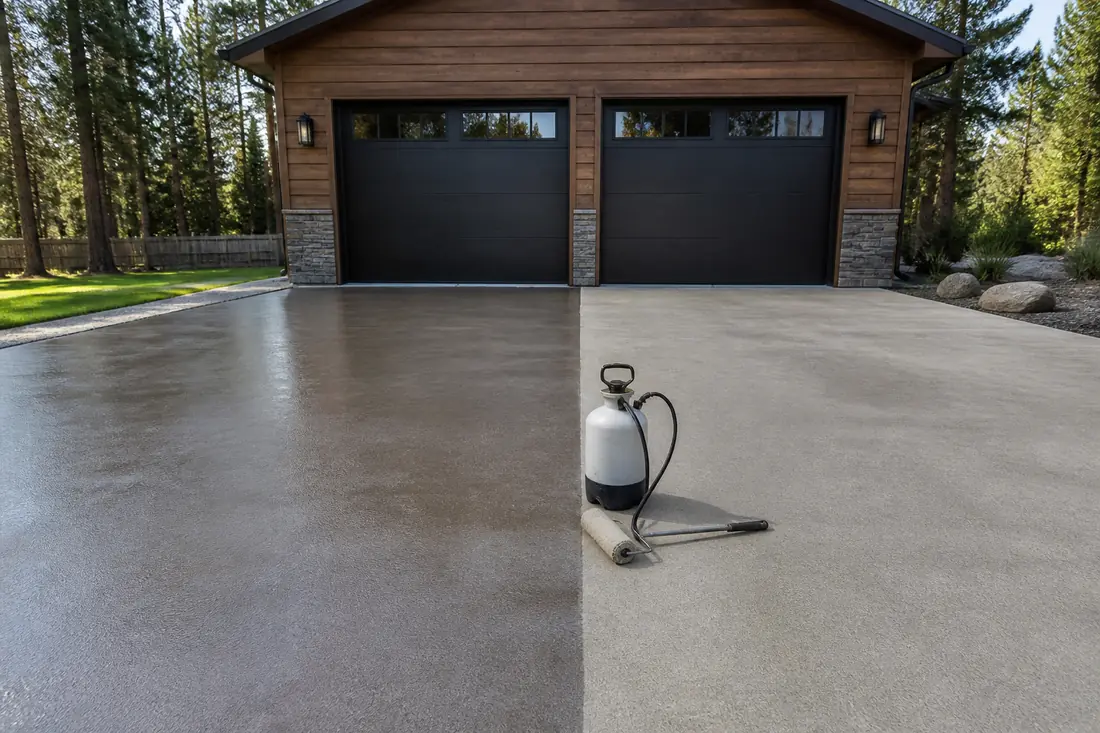
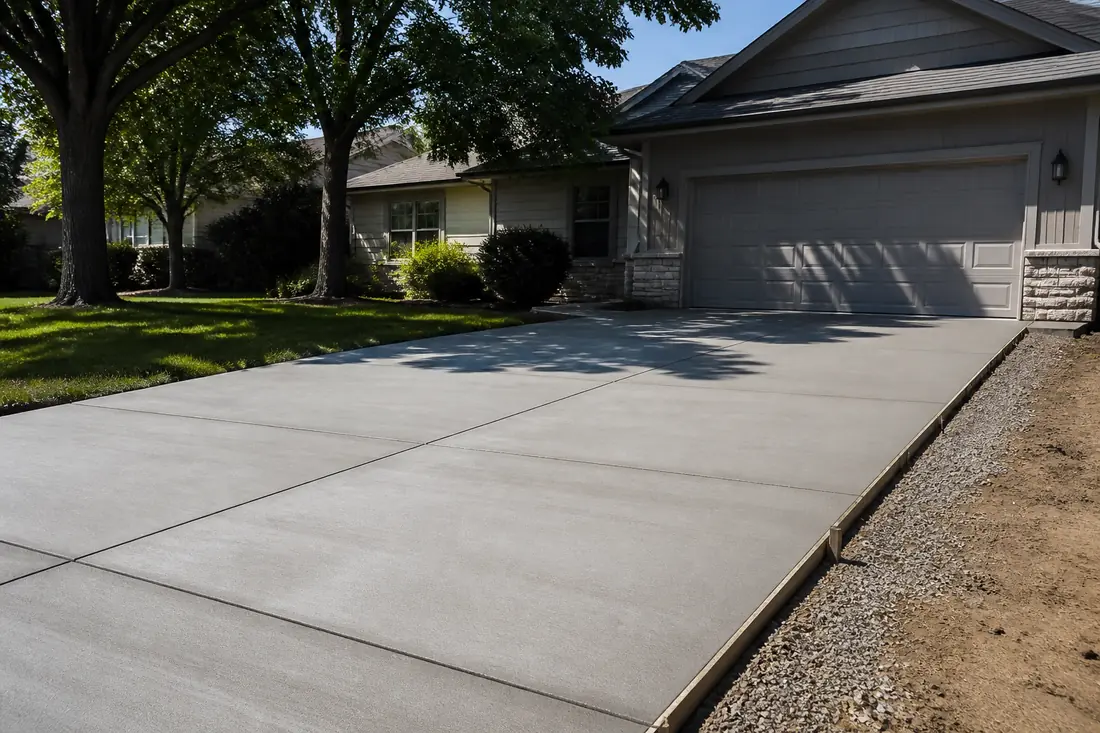
Concrete Driveways project

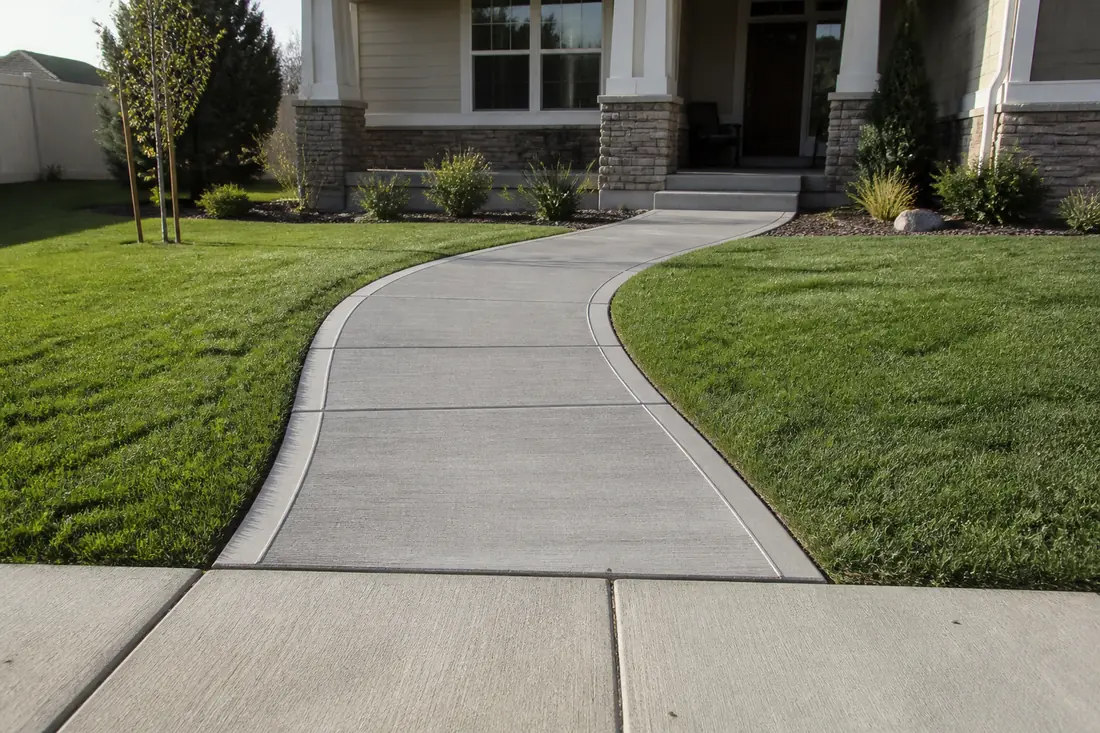
Concrete Driveways in Kuna

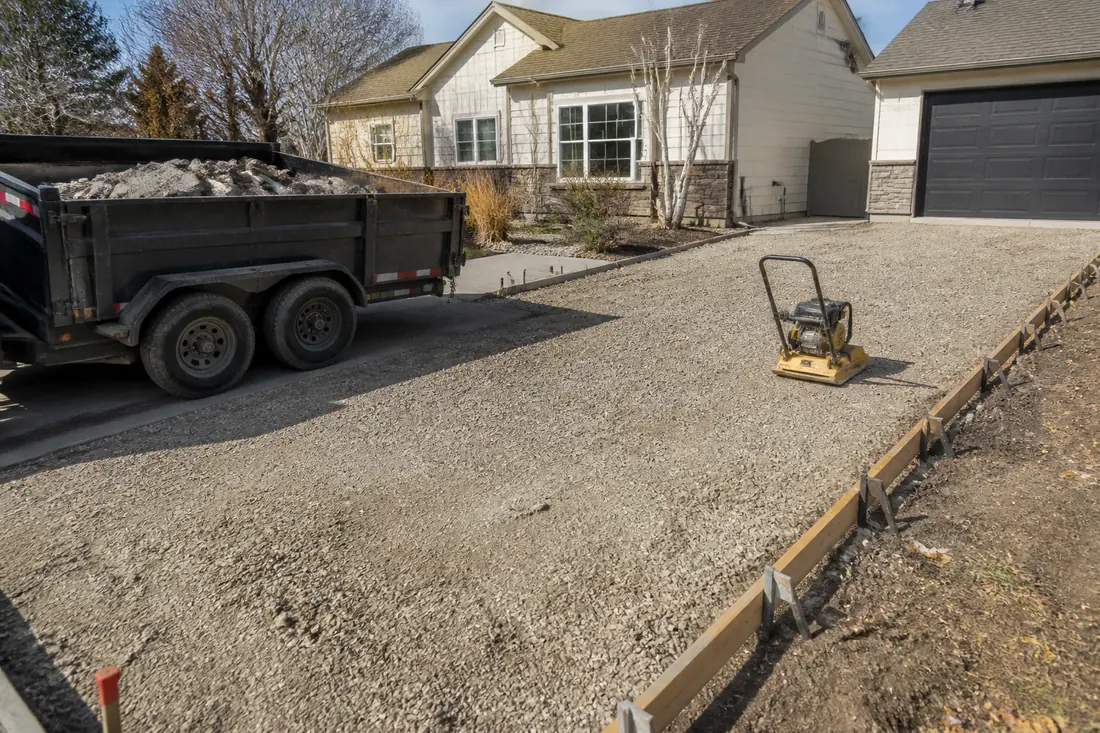
New driveways and full replacements, specified for vehicle loads and Treasure Valley freeze-thaw.

Free estimateDetails
Concrete Patios project

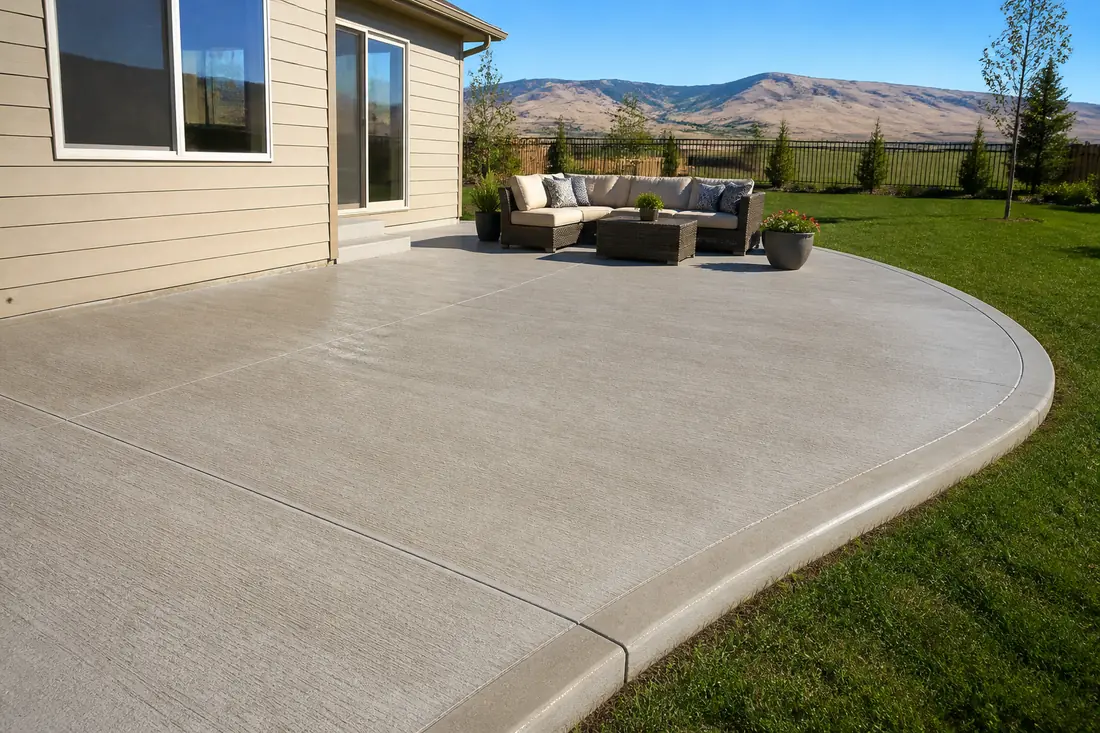
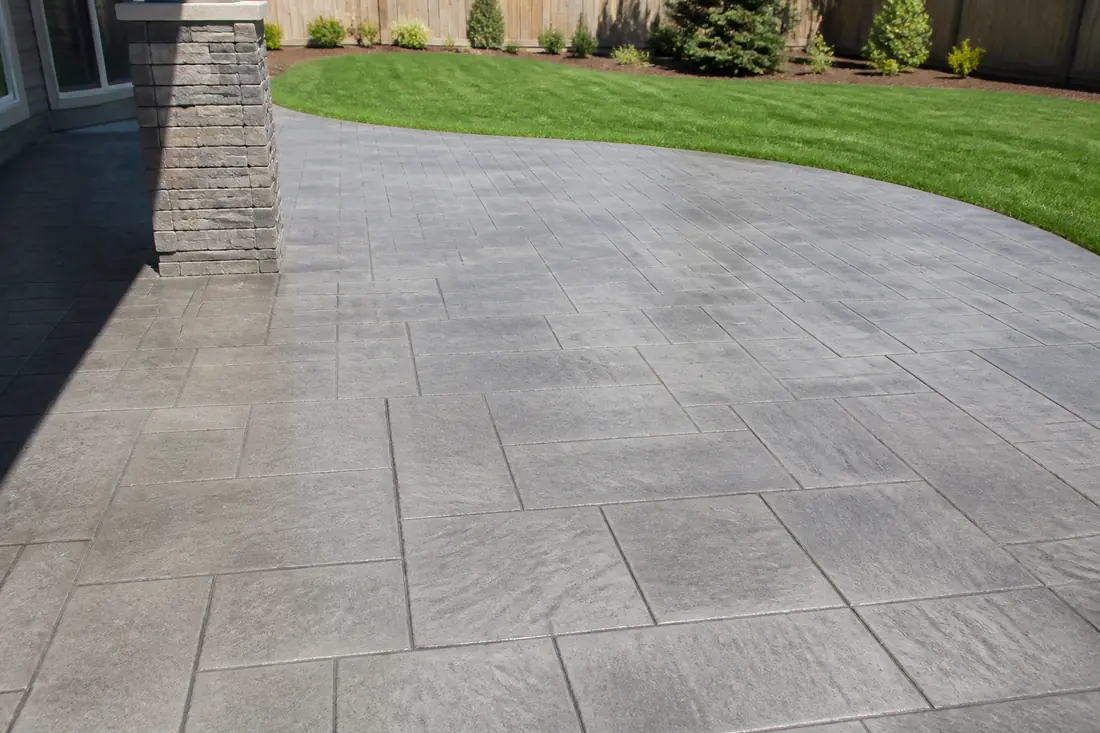
Concrete Patios in Kuna

Poured patios sized, sloped and finished for outdoor living in a freeze-thaw climate.

Free estimateDetails
Concrete Slabs and Pads project

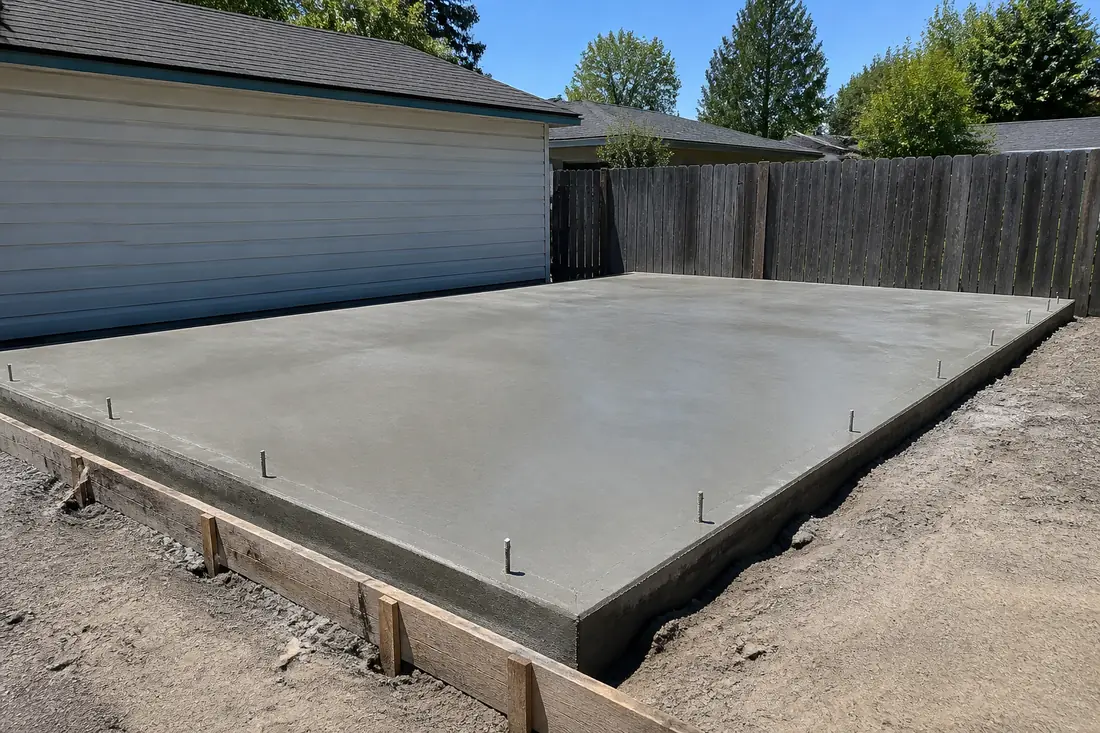
Concrete Slabs and Pads in Kuna

Shed bases, garage slabs, RV and equipment pads, hot tub bases — sized for what actually sits on them.

Free estimateDetails
Concrete Foundations project

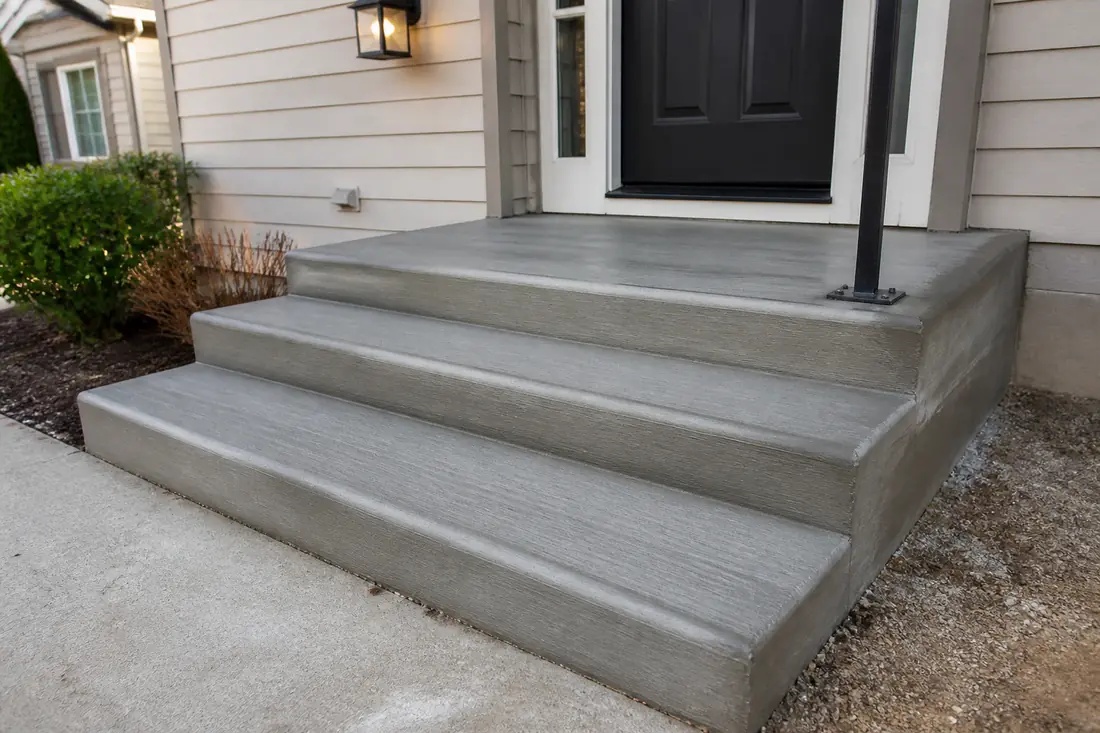
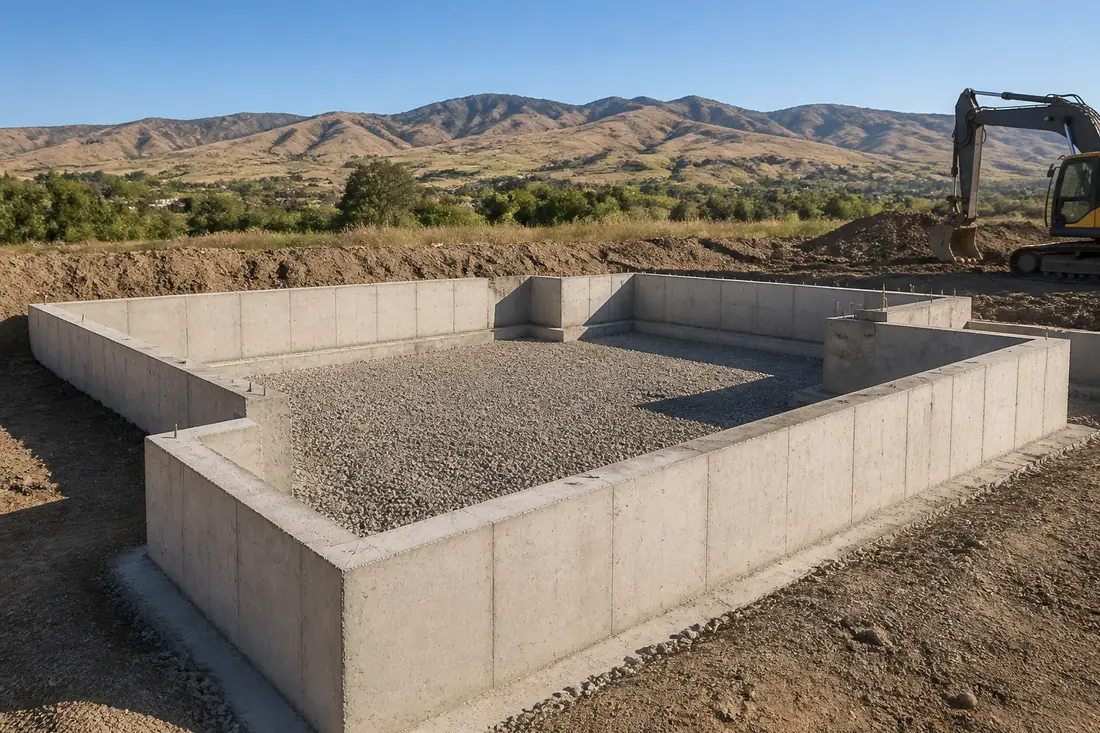
Concrete Foundations in Kuna

Foundations for new builds, additions, garages and shops — excavation, footings, walls and slab.

Free estimateDetails
Concrete Footings project

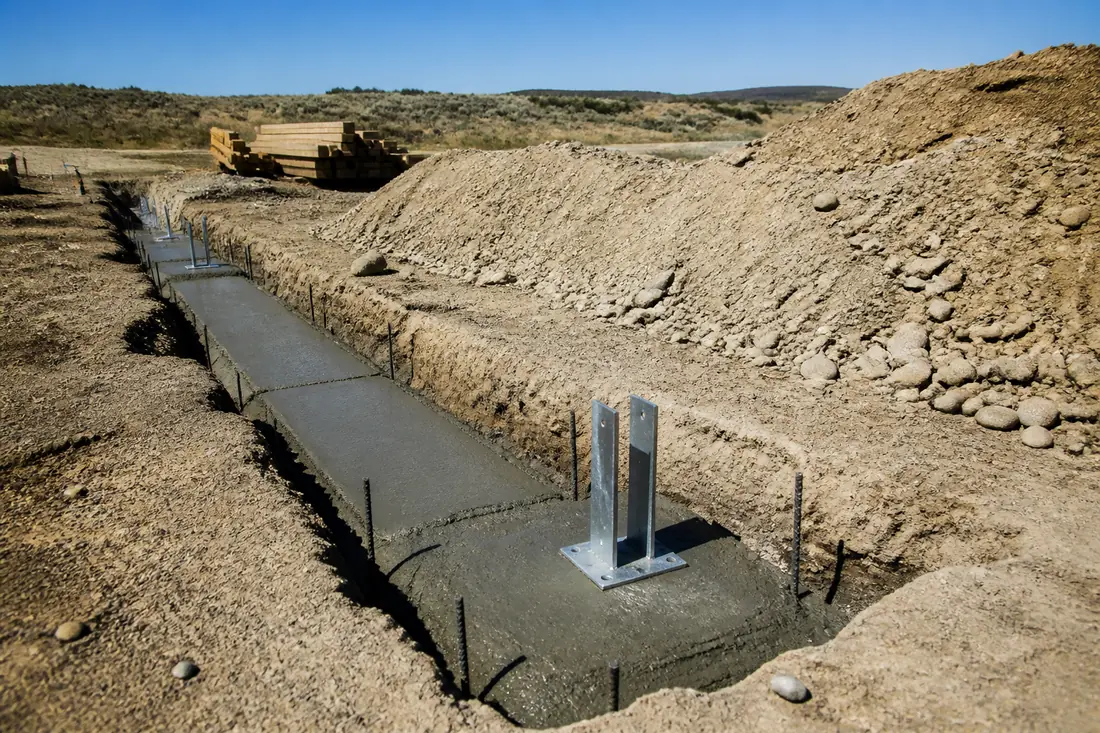
Concrete Footings in Kuna

Footings for foundations, decks, posts, columns and retaining structures — sized to the load and dug below frost.

Free estimateDetails
Poured Foundation Walls project

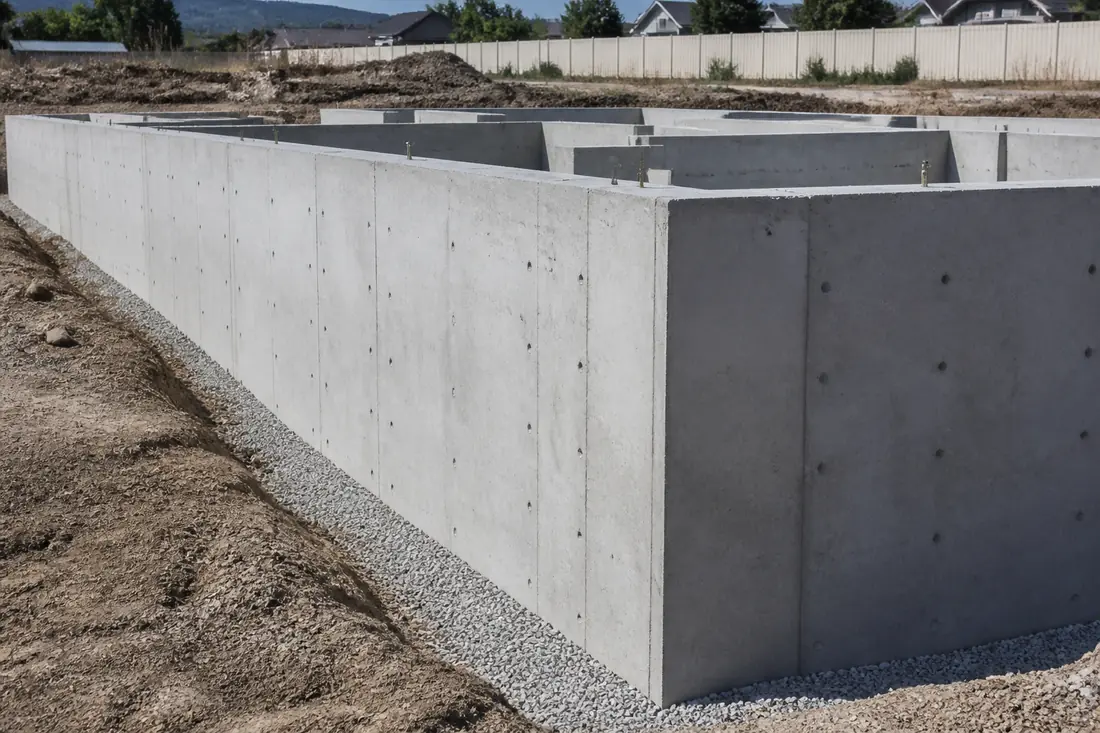
Poured Foundation Walls in Kuna

Cast-in-place basement, crawl space and stem walls, formed and reinforced to carry soil and building load.

Free estimateDetails
Concrete Sealing project

Concrete Sealing in Kuna

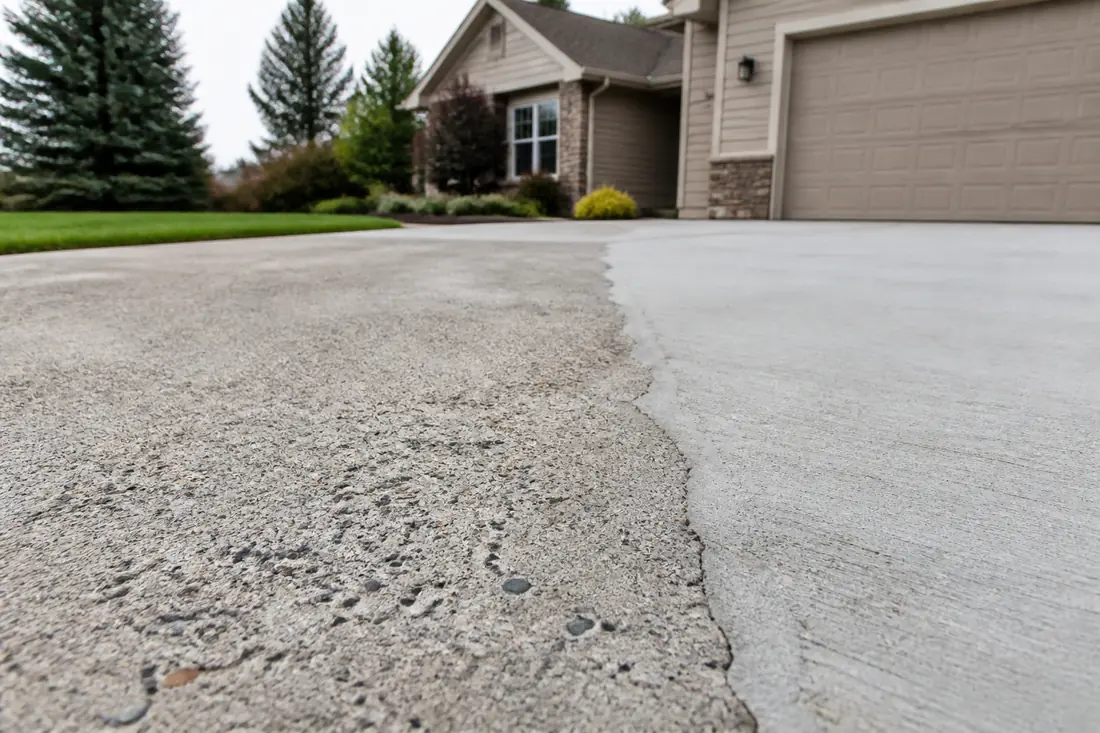
Sealing that keeps water and de-icing salt out of the slab, which is most of what shortens concrete life here.

Free estimateDetails
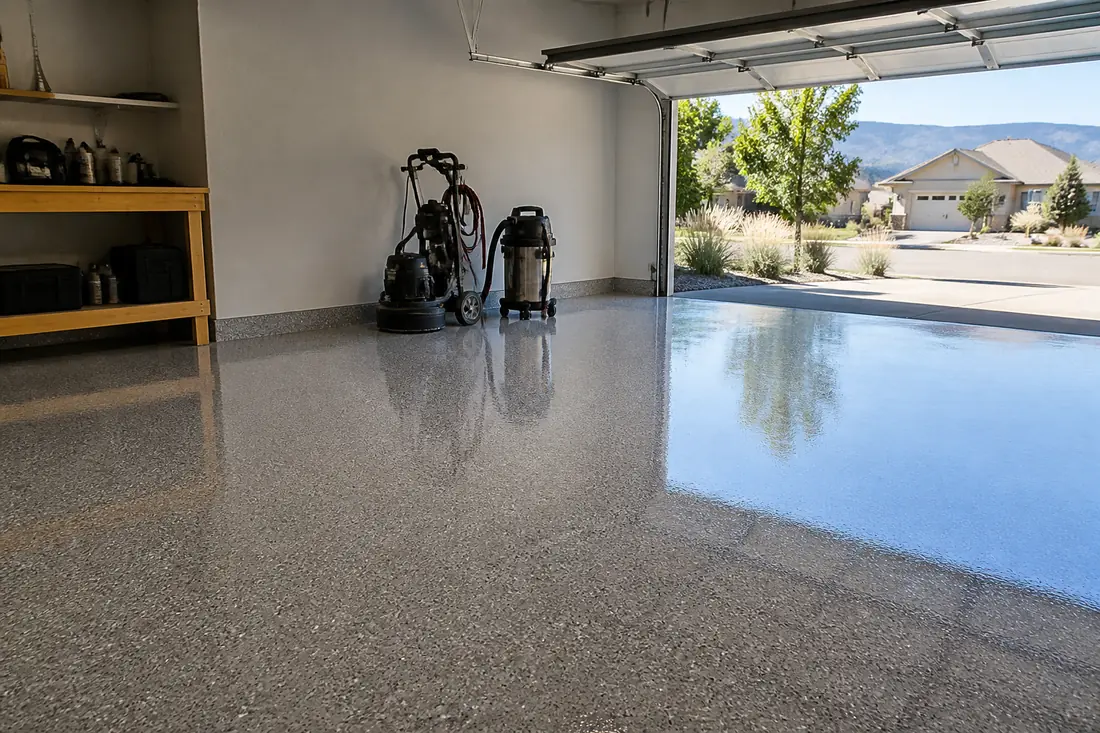
Garage Floor Coating project

Garage Floor Coating in Kuna

Epoxy and polyaspartic floor systems over a properly prepared slab, with honest limits on each.

Free estimateDetails

Frequently asked questions

How much does concrete cost in Boise?

It is priced by the square foot of finished surface, and what moves the number most is thickness, base preparation and finish. A driveway carrying vehicles is a thicker slab with heavier reinforcement than a garden path of the same area, and a site that needs poor fill excavated costs more than one that does not. Demolition and haulage of an existing slab is a real line item, charged by weight. Rather than publish a range that would not survive contact with your actual site, the useful step is a quote against it.

How long does concrete take to cure before we can use it?

Foot traffic is usually about a day, vehicles considerably longer. Concrete gains most of its strength over the first weeks rather than the first days, and it cures by chemical reaction rather than by drying out — which is why a slab that is protected and kept damp ends up stronger than one left in the sun. Exact timing depends on the mix, the thickness and the weather during the pour, so it is given for your specific job.

Why does concrete crack, and can it be prevented?

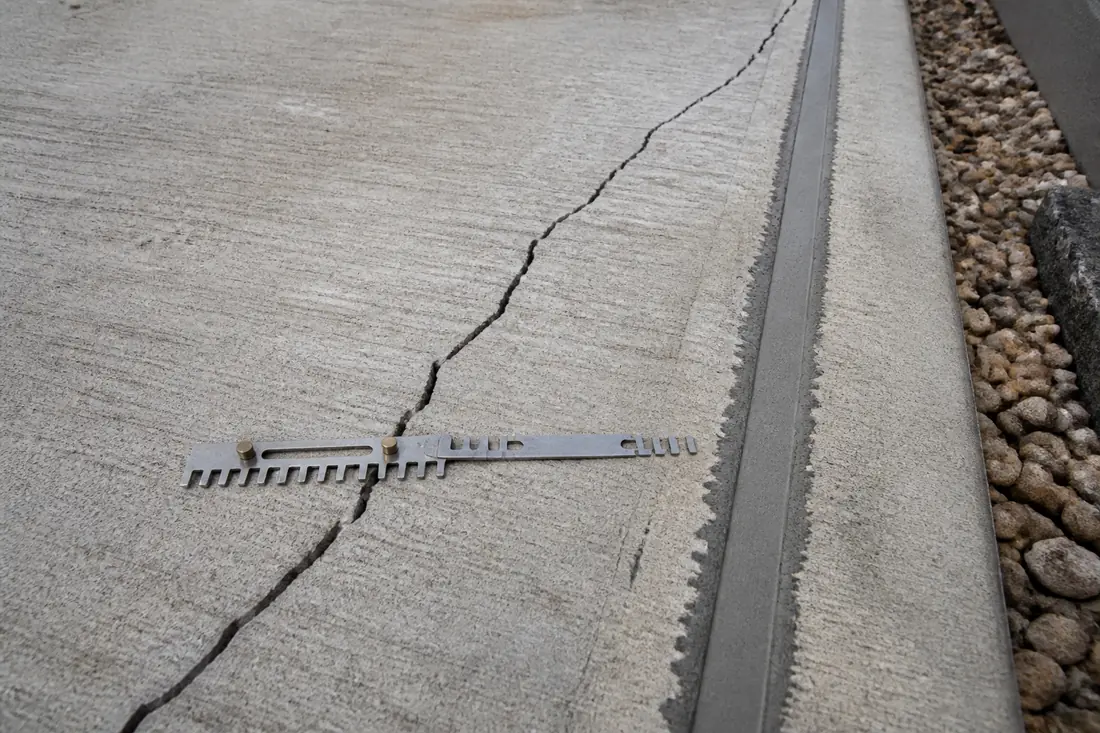
It cannot be prevented, only controlled. Concrete shrinks as it cures and moves with temperature, so it will crack somewhere. Control joints are cut at planned spacing so the slab relieves that stress along a straight line instead of wherever it likes. Fine, tight, evenly spaced cracking is normal. Cracks that widen over time, or where the two sides sit at different heights, mean something is moving underneath and are a different conversation.

Can a sunken driveway be lifted instead of replaced?

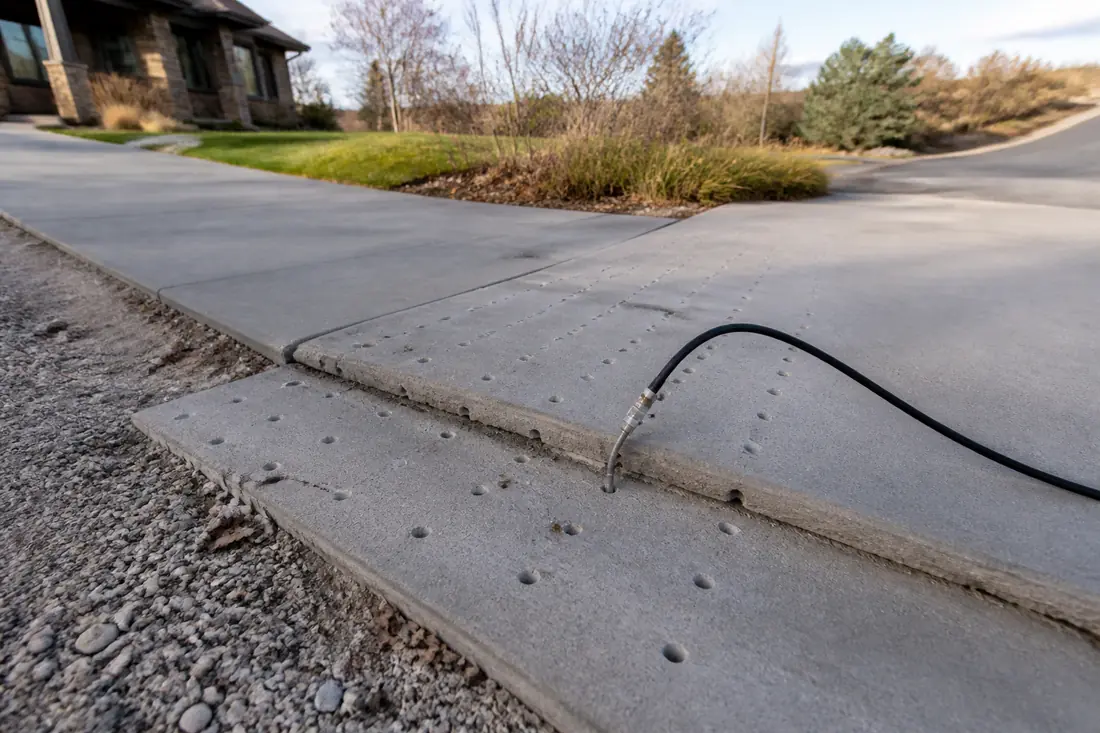
Often, and it is usually a fraction of the cost. A slab that has dropped has rarely failed as concrete — what failed is the base under it. If the slab is still sound and in one piece, material can be injected through small holes to fill the void and raise it back to level. If it has broken into fragments it will not lift as one piece, and replacement is the honest answer. Either way the reason it dropped has to be dealt with, or the void simply forms again.

Is Boise ground good to build on?

It depends which part. The valley floor is Boise River alluvium — sand and gravel that carries load well and drains freely, which is favorable ground. The Bench and the Foothills sit on loess, a windblown silt that is competent while dry and can settle once it is thoroughly wetted, so drainage and irrigation management matter a great deal more there. Two decades of rapid growth also mean a lot of lots are on engineered fill. Which of those applies to your address is worth establishing before design, not after.

Do I need a permit for concrete work?

For a driveway, patio or walkway on your own property, frequently not — but it depends on the jurisdiction and on what the work involves. Anything structural, anything in the public right of way, and anything that changes drainage is more likely to need one. Ada County and Canyon County run separate permit offices with their own requirements, so which applies to your address gets confirmed before the work is scheduled rather than assumed.

When is the right time of year to pour in Boise?

The main season runs through the warmer months, because concrete placed in freezing conditions needs protection and heating to cure properly, which adds cost and risk. Very hot, dry, windy days are their own problem at the other end — the surface can dry faster than the slab cures, which causes surface cracking. Neither rules the work out; both change how it is placed, protected and cured.

How long does concrete last?

Longer than most people expect when the base, the mix and the drainage are right, and a great deal less when any one of those is wrong. Rather than a number, the useful way to think about it is what shortens it: water sitting against or under the slab, freeze-thaw acting on a mix without adequate air entrainment, de-icing salt, loads heavier than the slab was designed for, and a base that was never properly compacted. A driveway that avoids those is a long-term asset. One that does not can need attention within a few seasons, which is why the questions asked before pouring matter more than the concrete itself.

Do you seal new concrete, and how often does it need doing again?

New concrete should be sealed, but only after it has cured — sealing too early traps moisture in the slab and can cause exactly the surface damage the sealer exists to prevent. After that it is an interval rather than a one-off, and how long depends on the sealer, the exposure and whether the surface gets de-icing salt through winter. The interval for what was applied is stated at handover so it is a known commitment.

Need a contractor in Kuna?

Call (208) 495-7473 for a real arrival window.

Click to CallQuote