
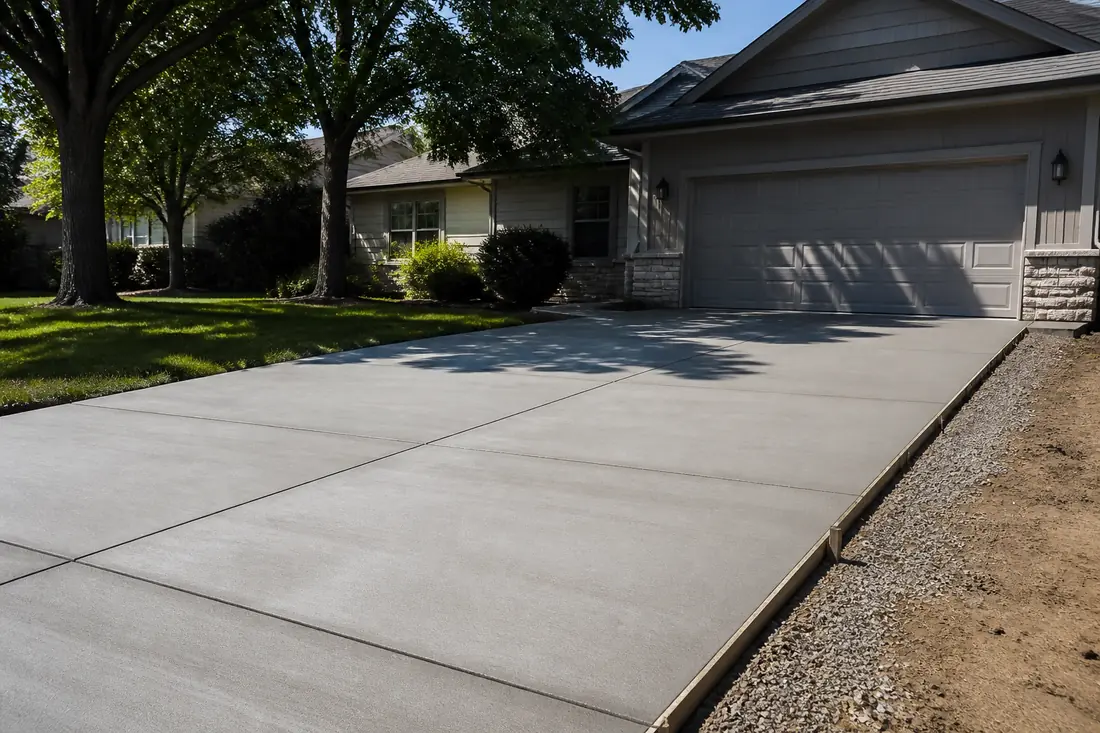
Concrete Driveways
New driveways and full replacements, specified for vehicle loads and Treasure Valley freeze-thaw.
Free estimateDetails
Concrete repair, driveways, patios and foundations across the Treasure Valley.

Poured Right. Built to Last.
Concrete repair, driveways, patios and foundations across the Treasure Valley.
Tell us what is going on and we will get back to you with the next step.
The base is inspected before anything is poured
Most slab failure in this climate starts underneath. Compaction, drainage and frost depth get checked and recorded before concrete is ordered.
Mix and thickness matched to the load
A driveway carrying vehicles and a garden path do not take the same slab. Thickness, mix strength and reinforcement are specified for the actual use.
Straight answers on repair versus replacement
Some slabs are worth lifting or resurfacing and some are past it. Which one yours is gets said plainly, before a price is attached to either.
Concrete repair, driveways, patios and foundations across the Treasure Valley.
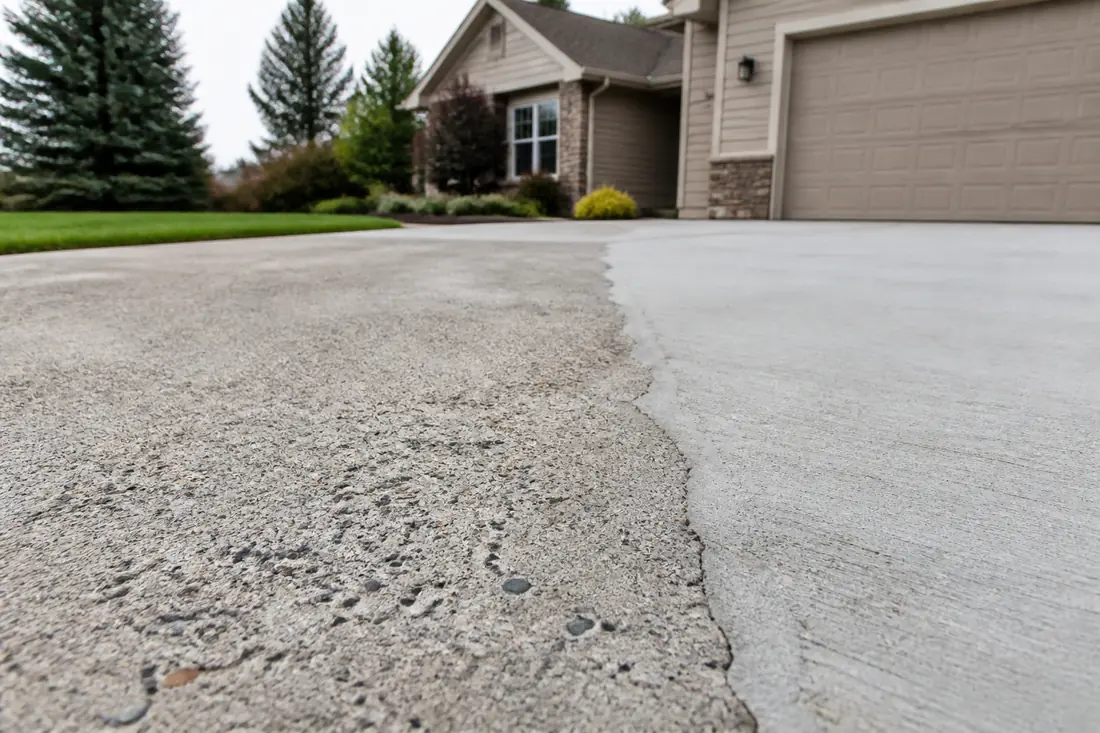
Surface damage and structural damage look similar from a distance and need completely different answers. A slab whose top layer has flaked, pitted or worn away, but which is still flat, stable and un-cracked through its depth, is a resurfacing candidate. A slab that is moving, sunken or cracked through is not, and putting an overlay on it hides the problem for a season.
The usual cause of surface loss here is freeze-thaw combined with de-icing salt on concrete that was not air-entrained, or that was sealed before it had cured. Water gets into the surface pores, freezes, expands and lifts the top layer off. That mechanism keeps running every winter, so a repair that does not address exposure and sealing tends to be a repeat visit.
Resurfacing bonds a new wearing layer to the existing slab. It only works if the old slab is properly prepared first — ground down so the new layer has something to bite into, instead of sitting on dust. Poor surface preparation is a common cause of overlay failure. The existing slab has to be properly assessed and prepared before anything is bonded to it.
Your driveway works harder than any other concrete on the property. It carries vehicle loads daily, it takes the full freeze-thaw cycle without the shelter a patio gets from the house, and it is usually the first thing anyone sees. Those three demands pull in different directions, and a driveway that was poured to the thickness of a patio shows it within a few winters.
What decides the outcome is mostly invisible once the pour is done. Base preparation, compaction and drainage do more for slab life than anything in the mix. Much of Boise sits on Boise River alluvium — sand and gravel that carries load well and drains freely. The Bench and the Foothills are different ground, capped with windblown silt that behaves nothing like the gravel below it, so what worked on one side of town is not automatically right on the other.
Reinforcement, joint layout and mix strength then handle the loads and the movement. Control joints are cut so the slab cracks where it was planned to rather than across the middle, thickness is set for what actually parks on it, and the mix is specified with air entrainment — millions of tiny air bubbles that give freezing water somewhere to expand into as it turns to ice. It is an important part of freeze-thaw-resistant concrete, though durability also depends on the mix design, the water-cement ratio, curing, finishing, drainage and how exposed the slab is.
Many sunken slabs are still structurally sound and are candidates for lifting rather than replacement. What has usually moved is underneath: base material that settled, fill that compressed under the weight, or soil washed out by water that found a path along the slab edge. Which of those it is, and what condition the slab itself is in, both get established before anything is lifted — because the answer decides whether lifting is the right call at all.
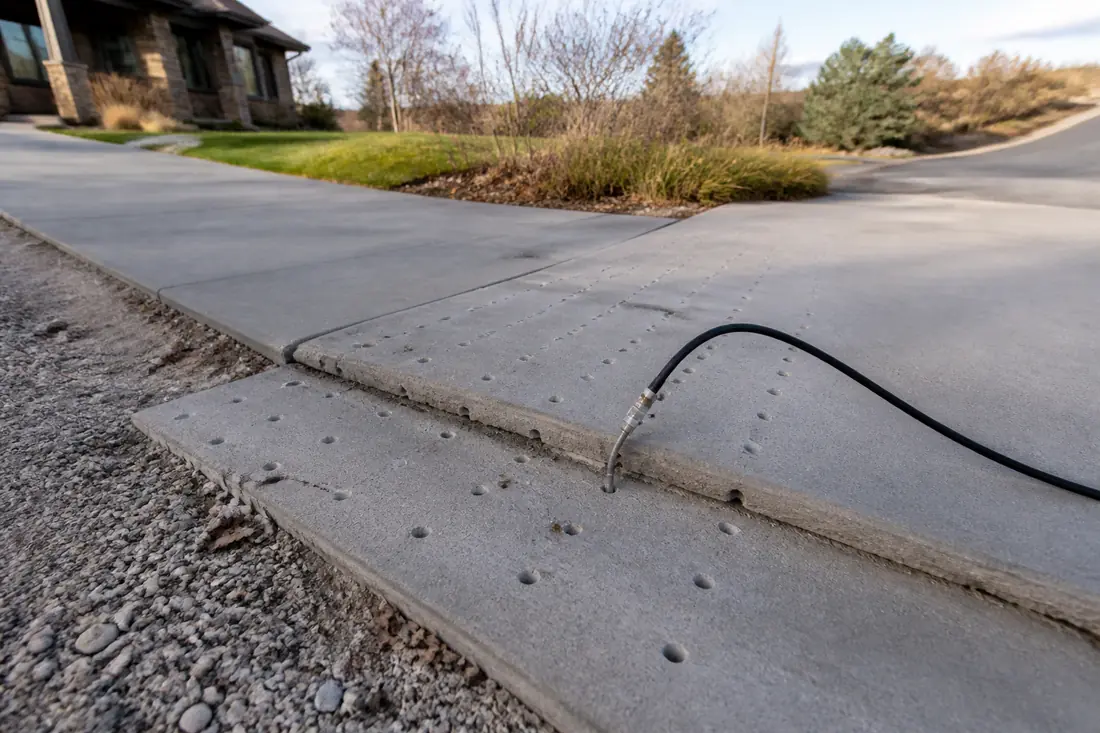
Lifting works by injecting material through small holes drilled in the slab, filling the void beneath and raising the concrete back to grade under controlled pressure. Polyurethane foam and cementitious slurry both do it, with different weights, cure times and costs. The slab goes back into service quickly and the cost sits well below removal and replacement.
What decides whether it is the right answer is the state of the concrete and the reason for the drop. A slab that is badly broken up will not lift as one piece, and a void caused by running water will simply reopen unless the water is dealt with at the same time. Both get established before anything is injected rather than discovered halfway through.
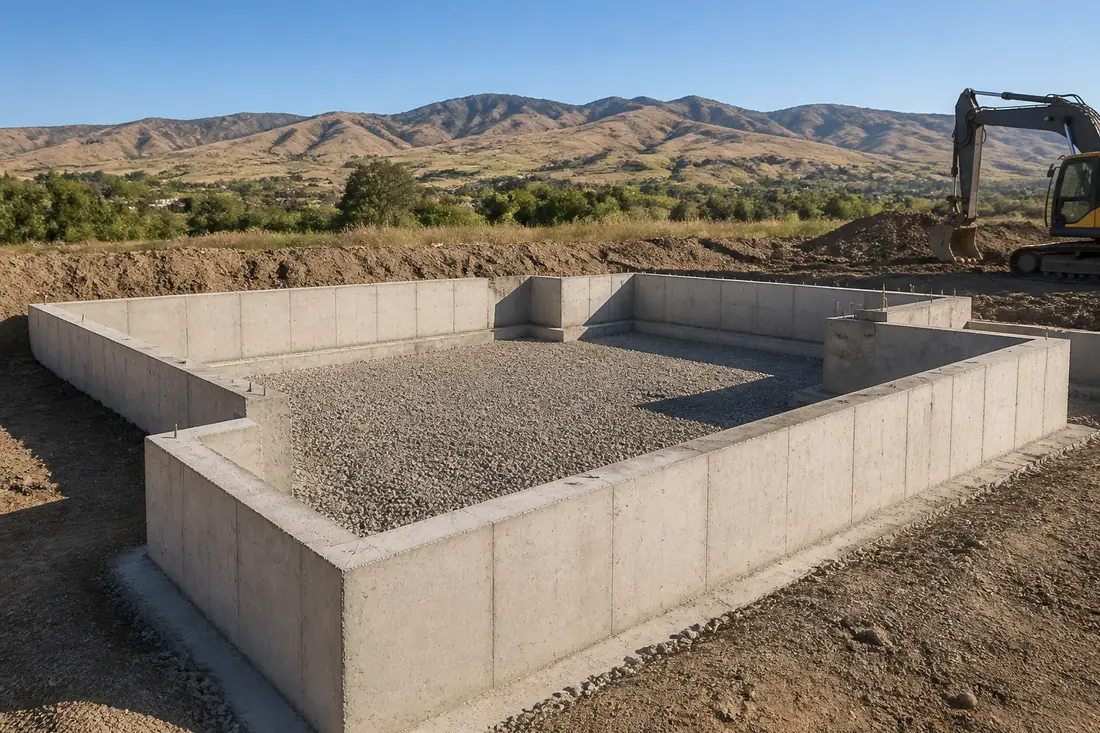
A foundation does two jobs at once: it spreads the weight of the building over enough ground to carry it, and it holds that building at a stable level while the soil around it freezes, thaws, drains and dries. Everything above depends on it, and it is the one element of a building that cannot be economically corrected later. That is why it is worth getting the ground investigation and the detailing right before any concrete is ordered.
Ground in the Treasure Valley is not uniform, and that is the single most useful thing to know before designing a foundation here. The valley floor is largely Boise River alluvium — sand and gravel that carries load well and drains freely. The Bench and the Foothills are capped with loess, a windblown silt that is competent while dry and can lose strength and settle when it gets thoroughly wetted. Which of those a site sits on changes the answer, and the growth of the last two decades means a great many lots are also on engineered fill.
Foundation type follows from the building and the site rather than preference. A full basement, a crawl space stem wall, a frost-protected slab and a single-pour slab all solve the same problem differently, and the right one depends on the ground, the grade, what the space is for and what the building above needs from it.
New driveways and full replacements, specified for vehicle loads and Treasure Valley freeze-thaw.
New driveways and full replacements, specified for vehicle loads and Treasure Valley freeze-thaw.
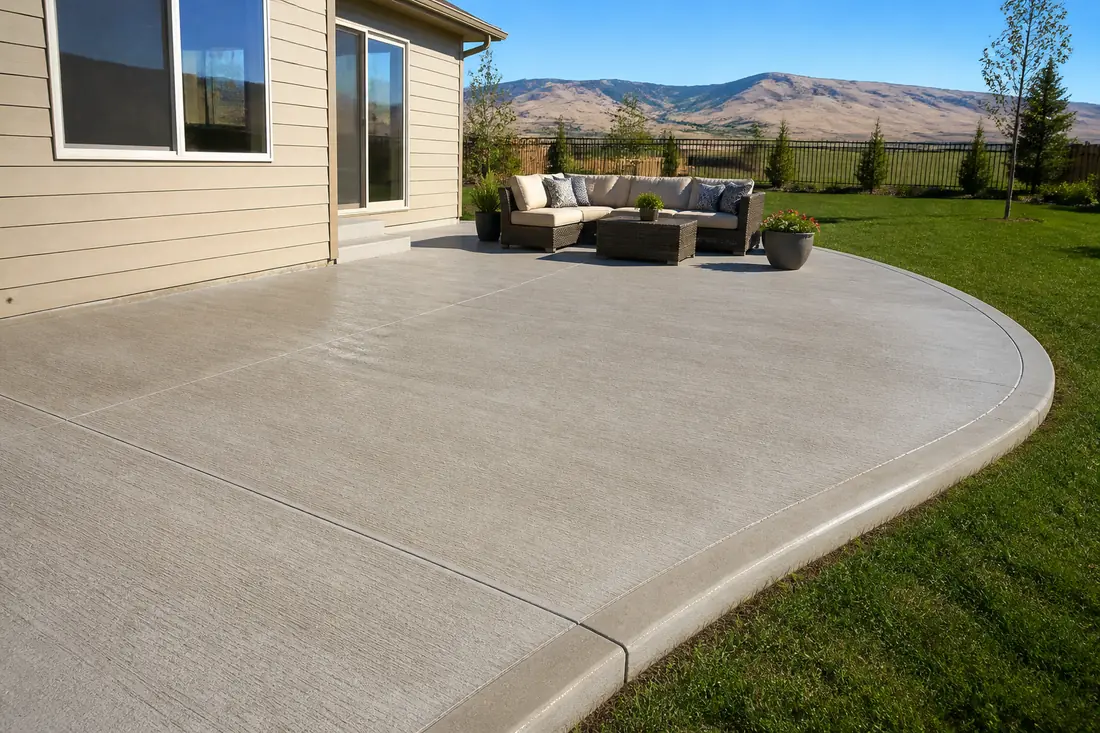
Poured patios sized, sloped and finished for outdoor living in a freeze-thaw climate.
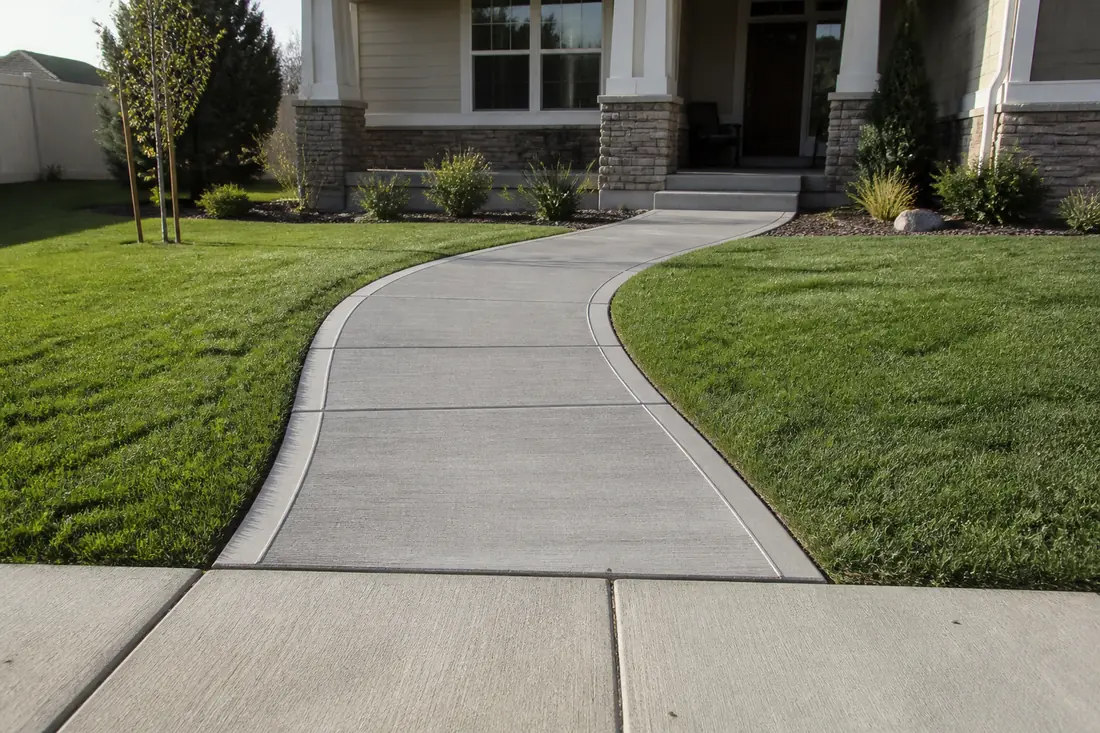
Paths, walkways and public sidewalks poured to the slope and width the use — and the jurisdiction — requires.
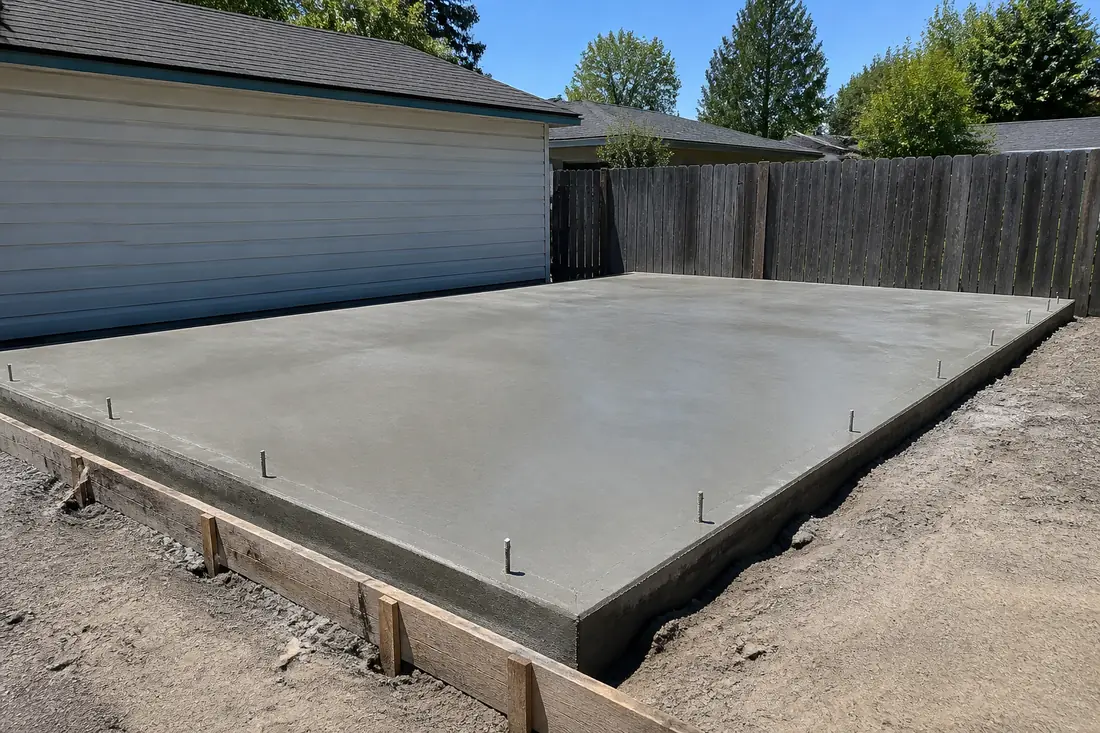
Shed bases, garage slabs, RV and equipment pads, hot tub bases — sized for what actually sits on them.
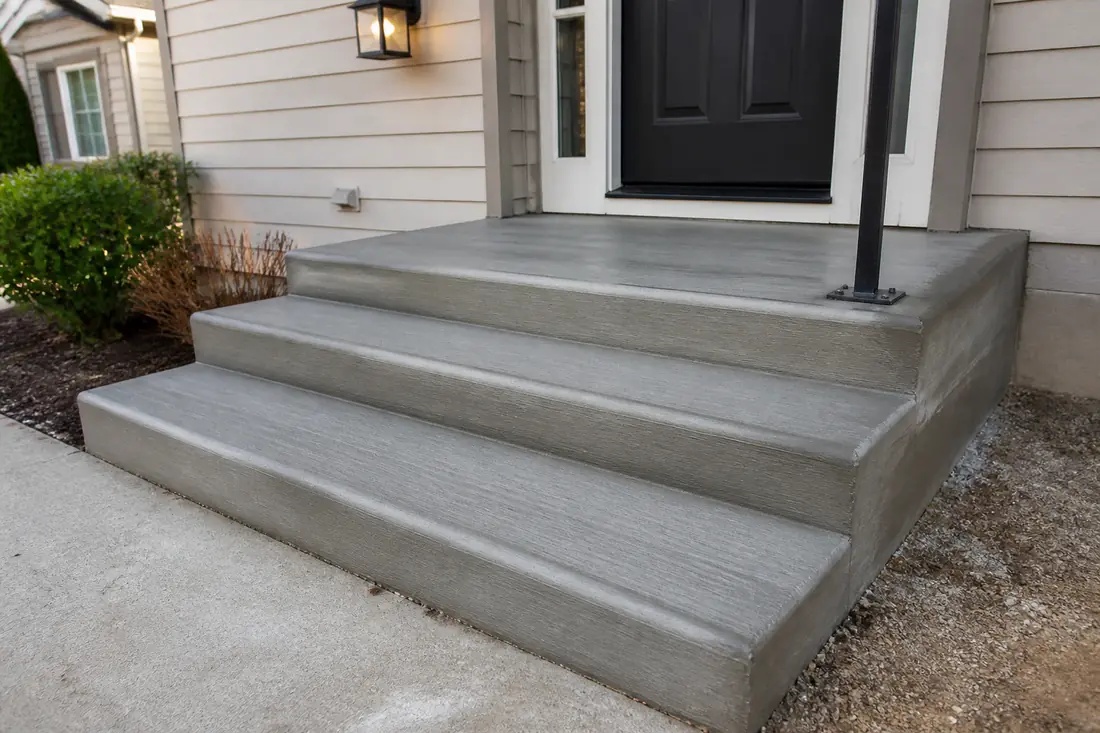
Front steps, stoops and exterior stairs, built to consistent rise and run and detailed against frost.
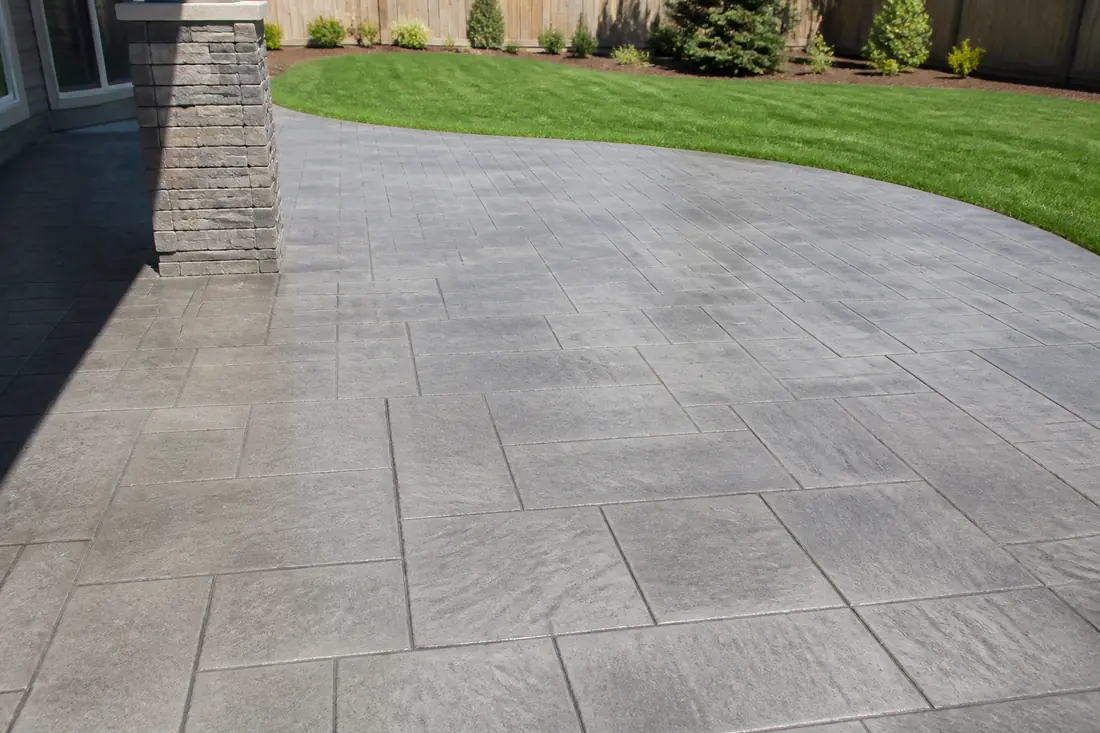
Stamped patterns, integral color and exposed aggregate, with honest limits on what each finish holds up to.
Foundations for new builds, additions, garages and shops — excavation, footings, walls and slab.
Foundations for new builds, additions, garages and shops — excavation, footings, walls and slab.
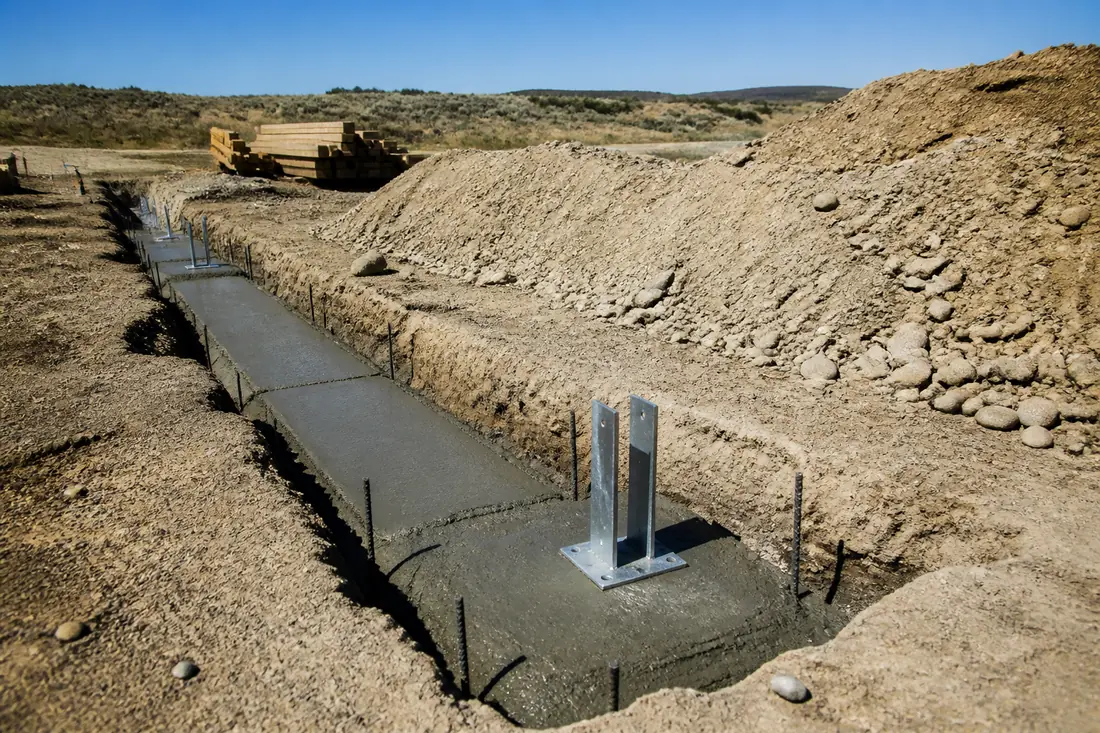
Footings for foundations, decks, posts, columns and retaining structures — sized to the load and dug below frost.
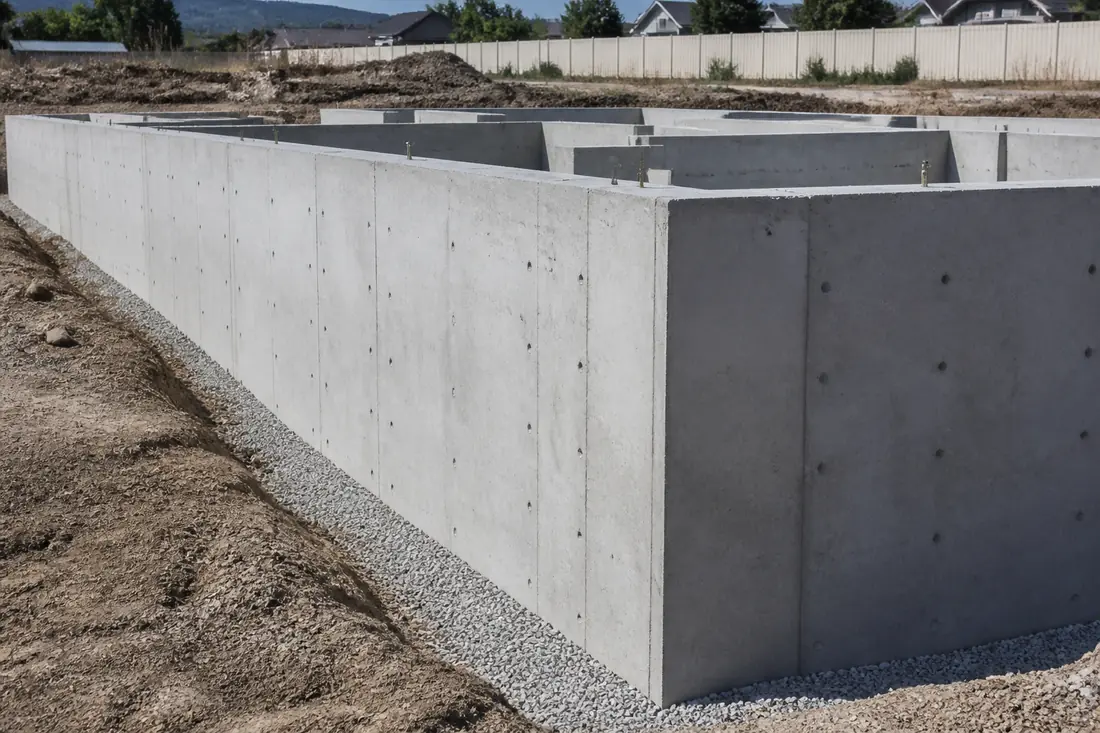
Cast-in-place basement, crawl space and stem walls, formed and reinforced to carry soil and building load.
Sunken driveways, walks and patios lifted back to level without breaking them out.
Sunken driveways, walks and patios lifted back to level without breaking them out.
Flaking, pitted and worn-out surfaces repaired or resurfaced, where the slab underneath is still solid.
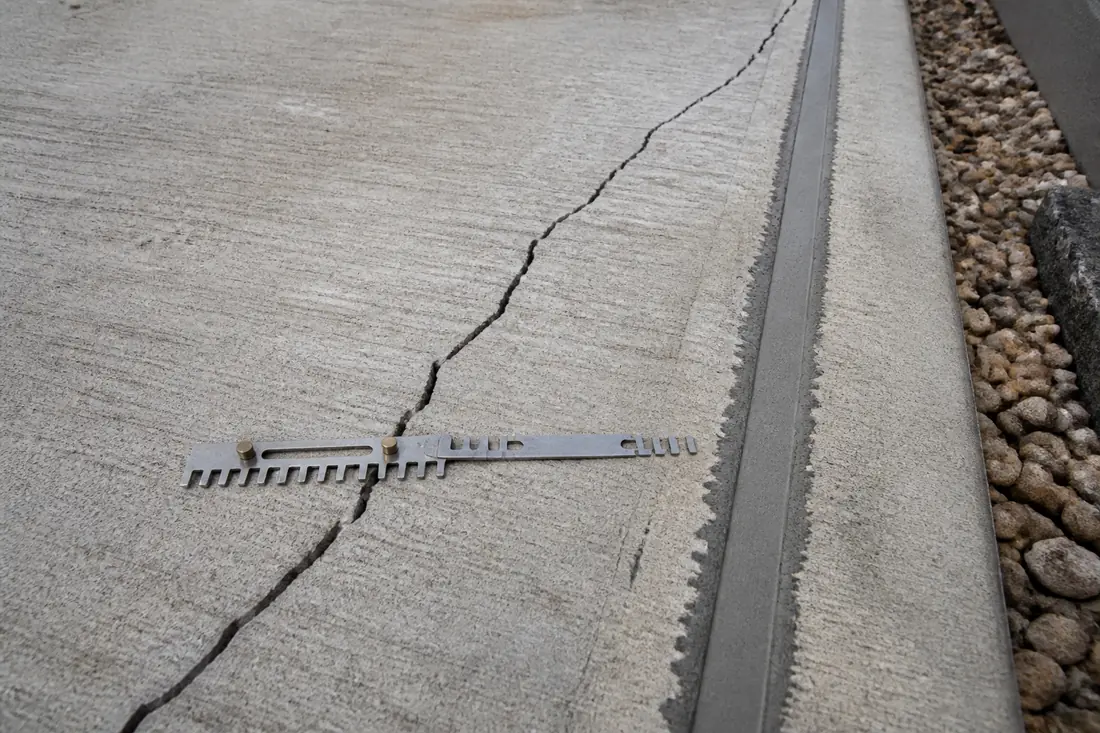
Reading what a crack means before filling it — shrinkage, movement or something structural.
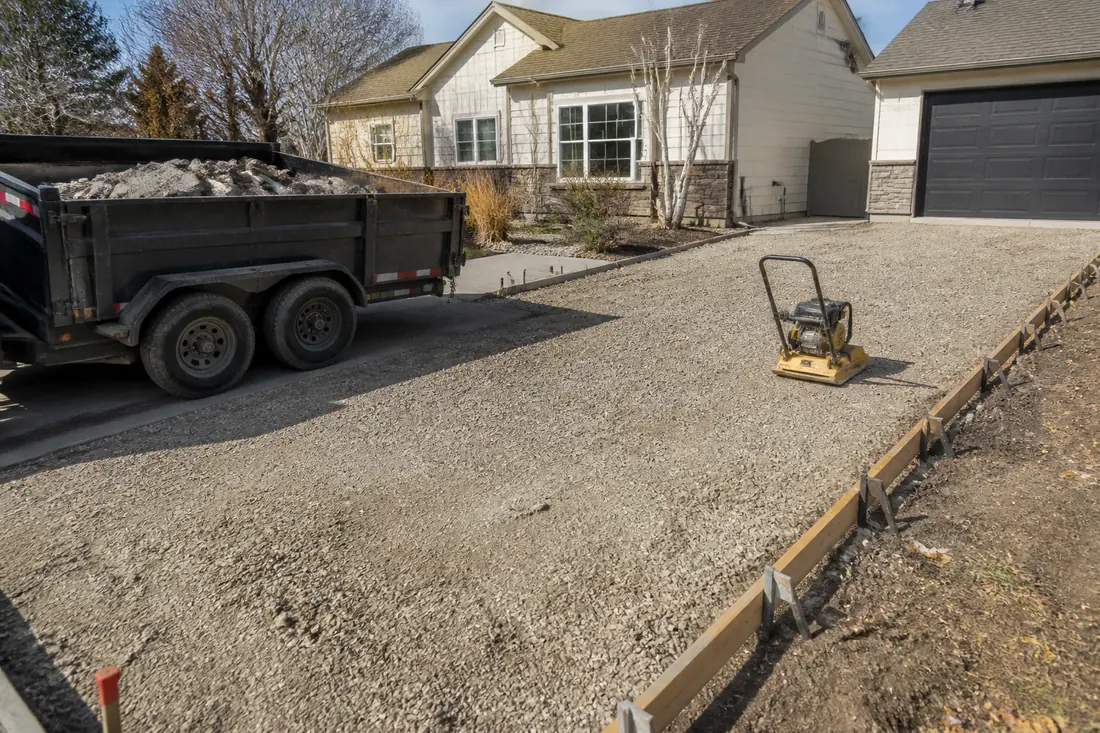
Breaking out failed concrete, correcting what was underneath, and pouring it back properly.
Sealing that keeps water and de-icing salt out of the slab, which is most of what shortens concrete life here.
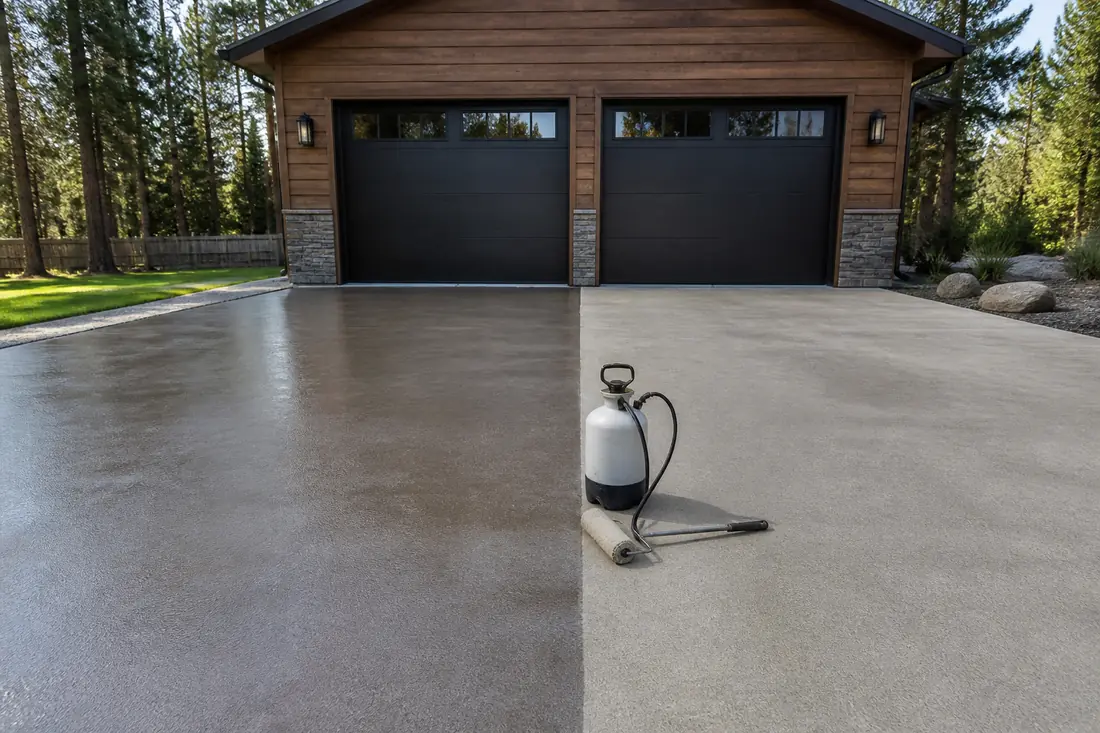
Sealing that keeps water and de-icing salt out of the slab, which is most of what shortens concrete life here.
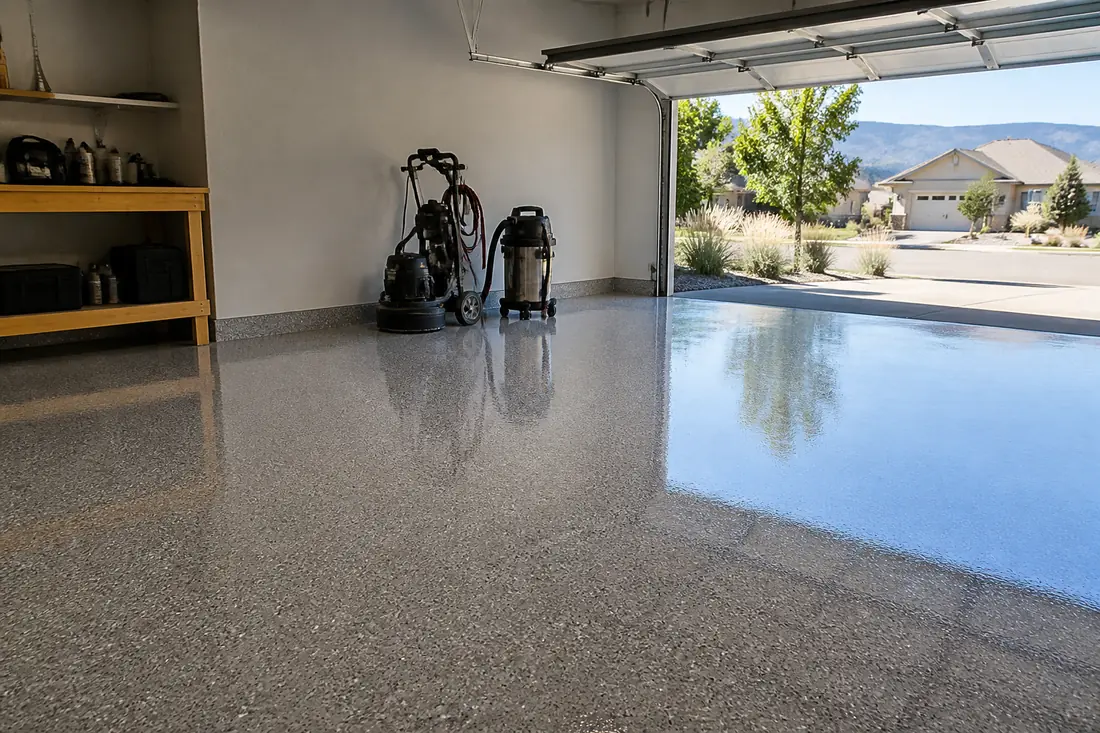
Epoxy and polyaspartic floor systems over a properly prepared slab, with honest limits on each.
Walkways, pads, curb and gutter, ADA routes and loading areas for commercial property.
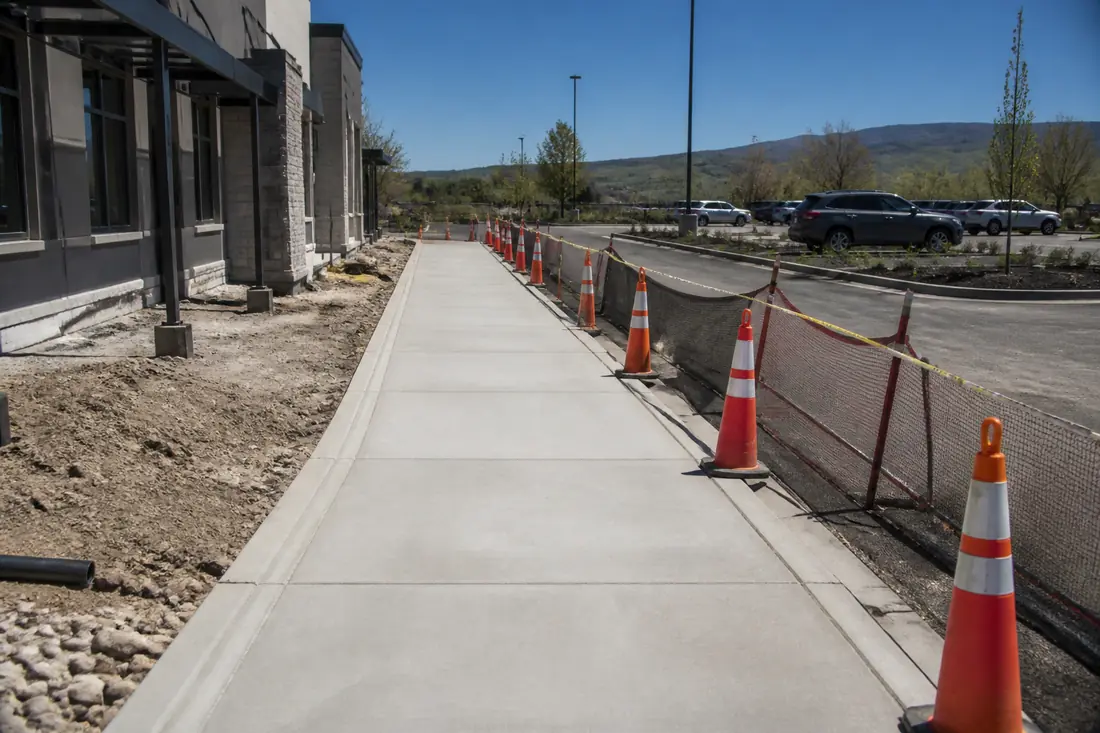
Walkways, pads, curb and gutter, ADA routes and loading areas for commercial property.
Every service we offer, and what the work actually looks like.
Your request is read and sorted by urgency rather than dropping into a queue. Marking the job urgent on the form changes how quickly it gets looked at.
Work of this kind is assessed in person rather than quoted from a phone description, so the scope and the price are both settled before anything starts.
You see the options and the cost before any work starts, and a cheaper repair that genuinely solves the problem should be presented alongside the bigger one.
Removed material is hauled away and the site left clean. Cleanup belongs in the job rather than being an extra you have to ask for.
If any of this looks like your property, it is worth getting eyes on it before the next wet season.
A thin top layer lifting off and leaving exposed aggregate is commonly a freeze-thaw and de-icing salt problem on concrete mixed without air entrainment, or sealed before it had finished curing. Resurfacing can restore it where the slab beneath is sound.
A section dropping below its neighbors usually means the base under it settled or washed out. Lifting the slab back to level is often possible and considerably cheaper than replacement, provided the cause is dealt with.
Fine cracks are normal as concrete cures. Cracks that are widening, offset in height, or running through a slab that was jointed properly point to movement underneath rather than shrinkage.
A gap opening between the stoop and the wall means the steps are moving and the house is not, which points to a footing that never reached frost depth. Filling the gap treats the symptom.
The appropriate finish depends on how the slab is used, the traffic it takes, whether it gets wet or icy, how much maintenance you want and how you want it to look. Here is how they compare.
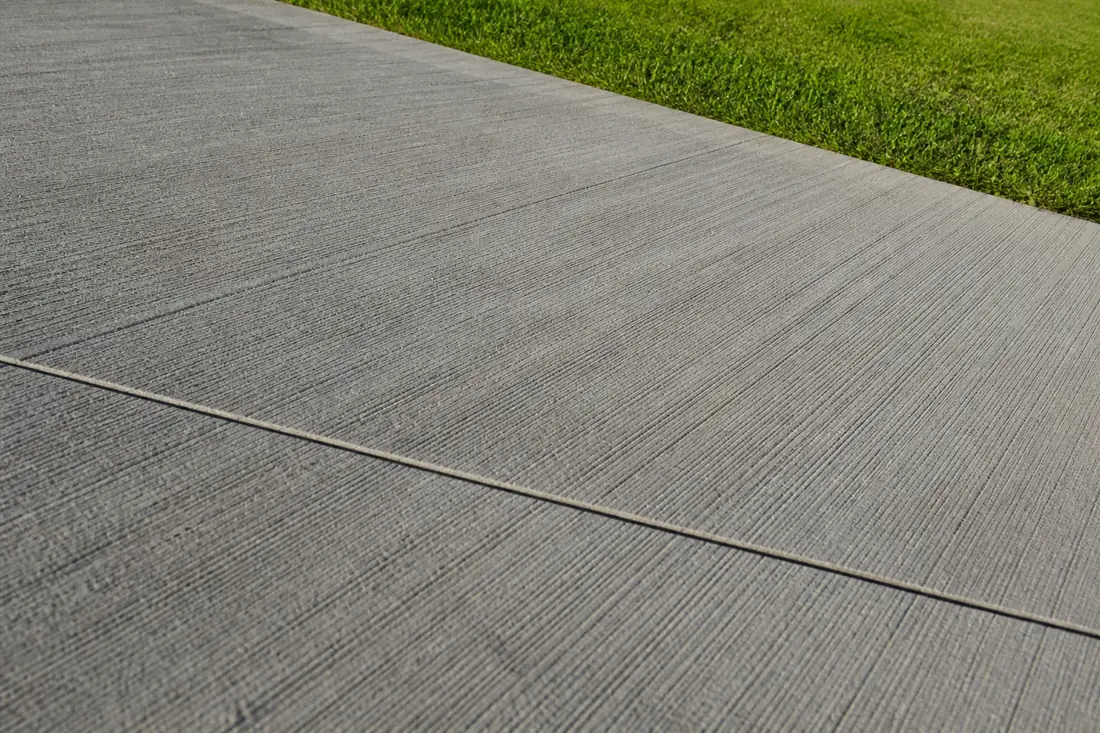
The default, and the right answer more often than people expect. A stiff broom drawn across the setting surface leaves a fine parallel texture that gives grip when the slab is wet or icy. It hides minor surface variation, costs the least of any finish, and needs nothing beyond sealing.
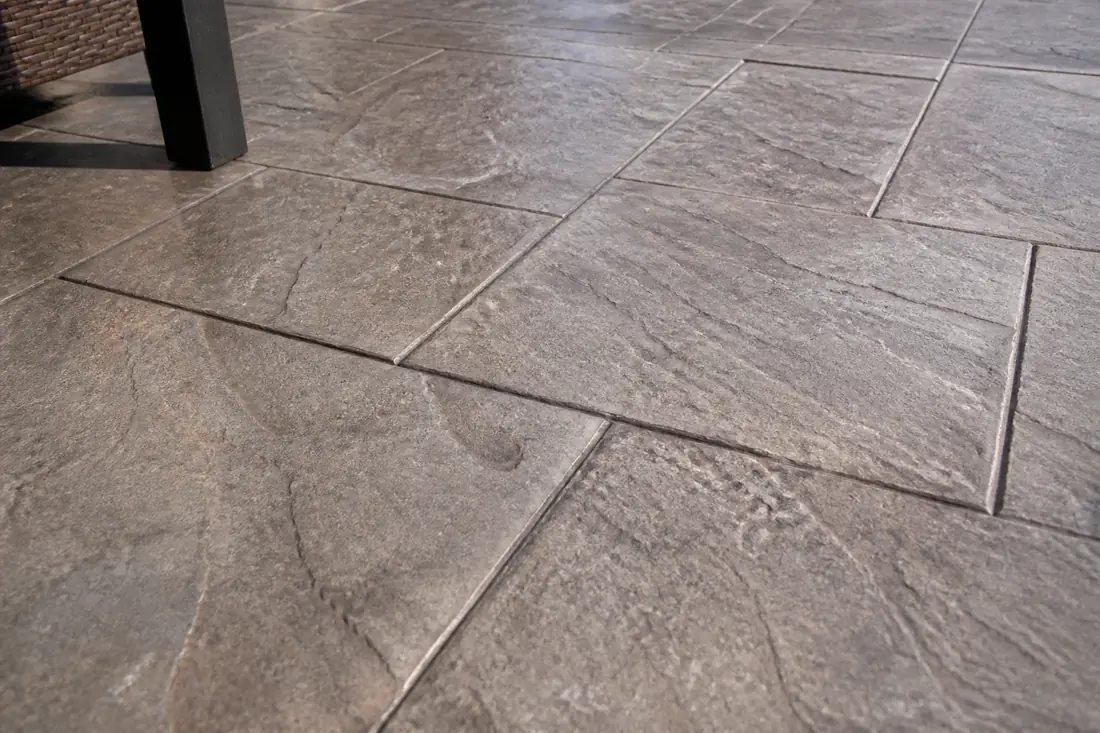
A pattern pressed into the plastic surface during the pour, colored either through the batch or on the top. It gives the look of stone or brick as one continuous slab, with no joints for weeds. The commitment is resealing on an interval — a stamped surface that is never resealed fades and stains.
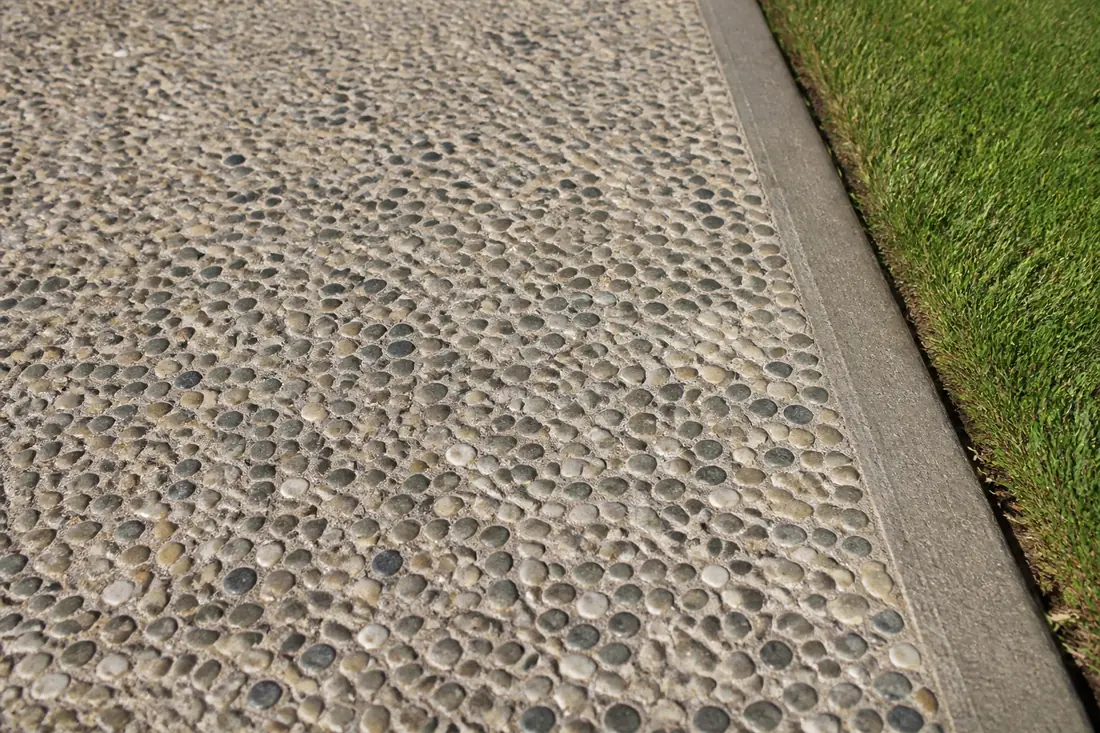
The surface paste is washed back before it hardens, revealing the stone in the mix. It gives texture underfoot, real slip resistance, and hides wear and staining better than any smooth finish — which is why it ages well on a surface that gets used hard.
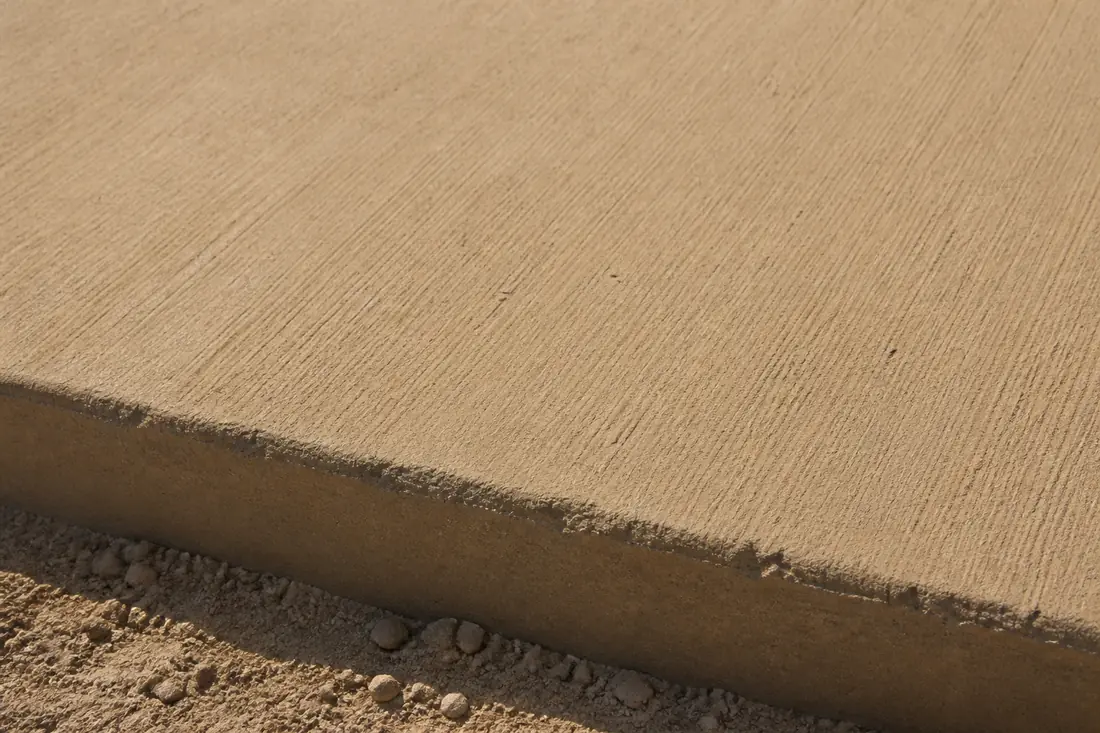
Pigment mixed through the whole batch rather than applied to the top. It costs more and the palette is narrower, but the color does not wear off, because there is no colored layer to lose. In a freeze-thaw climate that distinction shows sooner than it does in a mild one.
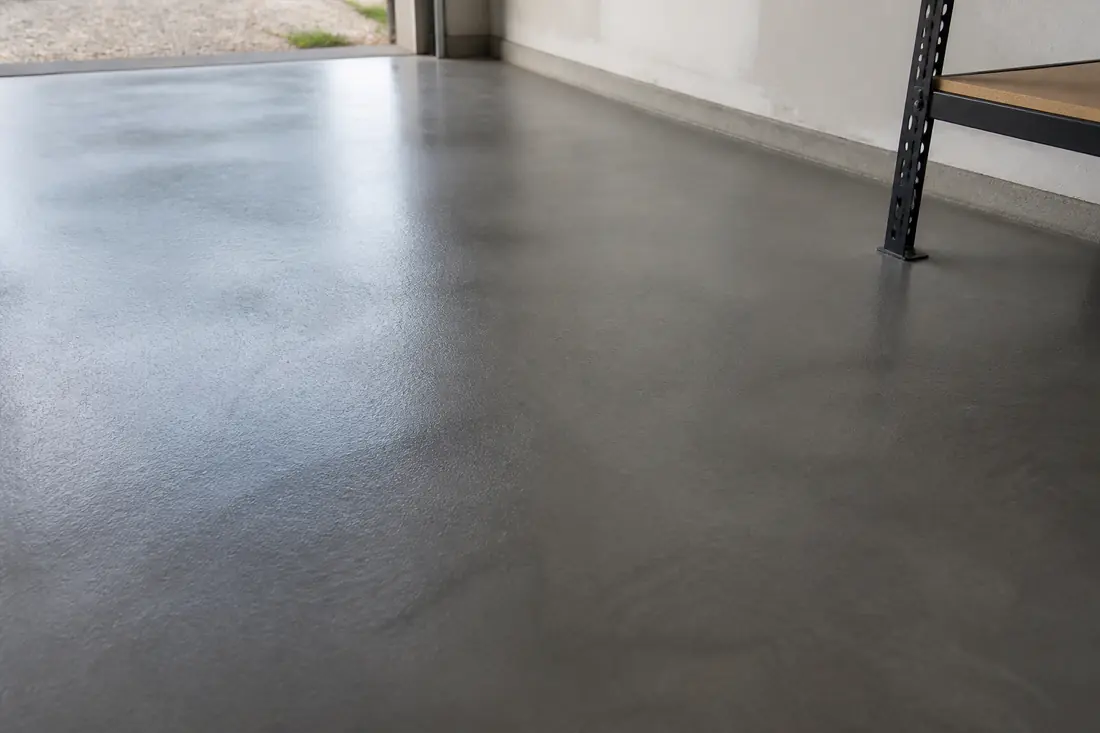
Worked with a steel trowel to a dense, closed surface. It looks clean, sweeps easily and takes a coating well, which is why it belongs on interior slabs. Outdoors it is slick under water and ice, so it is the wrong choice for anything walked on in a Boise winter.
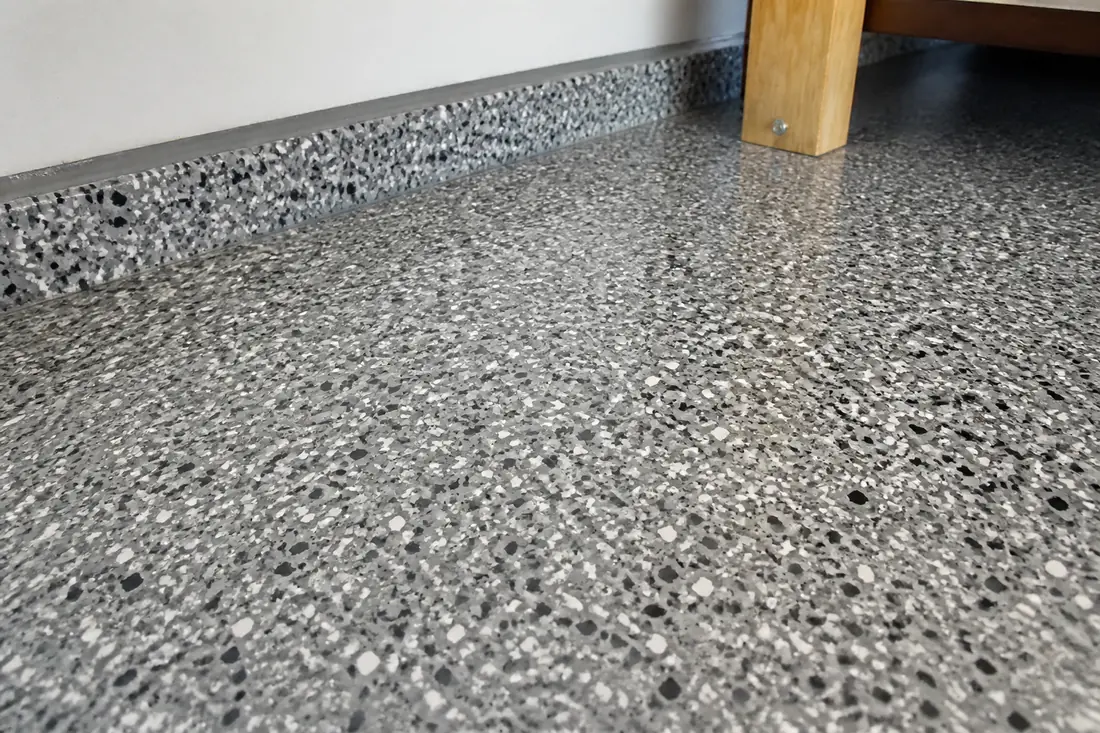
A bonded system over a prepared slab rather than a concrete finish in its own right. Epoxy builds thickness cheaply but cures slowly and yellows in sunlight; polyaspartic cures fast enough to return a garage to use in a day and holds color. Both live or die on surface preparation.
Two codes adopted in Idaho answer the same question in opposite words. Where the water table sits decides whether the crawl space floor stays at the footings or has to be raised.
Read the guide →The code lets you assume what your soil carries instead of paying to find out. The table runs 1,500 psf for clay to 12,000 for bedrock, and the conditions on that assumption are where the work is.
Read the guide →The federal rule on stripping formwork asks for strength, not time — and it leaves your patio out of it entirely. What has to be proved before fresh concrete carries load.
Read the guide →12 cities and the communities around them. Not sure if you are covered? Call and ask — we will tell you straight.
North End · East End · Boise Bench · Southeast Boise
83702, 83703, 83704, 83705, 83706
Paramount · Lochsa Falls · Tuscany · The Village
83642, 83646
Ridgecrest · Lakeview · Karcher · Midway
83651, 83686, 83687
Sky Ranch · Indian Creek · Downtown
83605, 83607
Banbury · Legacy · Two Rivers · Eagle Foothills
83616
Falcon Crest · Sunrise Rim · Greenhurst
83634
River Rim · Hidden Springs Road
83669
Riverside · Plantation · Chinden corridor
83714
Willow Creek · Middleton Heights
83644
Gem County · Emmett Valley
83617
Air Base · Downtown · Richard Aguirre
83647
Melba · Baseline
83641
It is priced by the square foot of finished surface, and what moves the number most is thickness, base preparation and finish. A driveway carrying vehicles is a thicker slab with heavier reinforcement than a garden path of the same area, and a site that needs poor fill excavated costs more than one that does not. Demolition and haulage of an existing slab is a real line item, charged by weight. Rather than publish a range that would not survive contact with your actual site, the useful step is a quote against it.
Foot traffic is usually about a day, vehicles considerably longer. Concrete gains most of its strength over the first weeks rather than the first days, and it cures by chemical reaction rather than by drying out — which is why a slab that is protected and kept damp ends up stronger than one left in the sun. Exact timing depends on the mix, the thickness and the weather during the pour, so it is given for your specific job.
It cannot be prevented, only controlled. Concrete shrinks as it cures and moves with temperature, so it will crack somewhere. Control joints are cut at planned spacing so the slab relieves that stress along a straight line instead of wherever it likes. Fine, tight, evenly spaced cracking is normal. Cracks that widen over time, or where the two sides sit at different heights, mean something is moving underneath and are a different conversation.
Often, and it is usually a fraction of the cost. A slab that has dropped has rarely failed as concrete — what failed is the base under it. If the slab is still sound and in one piece, material can be injected through small holes to fill the void and raise it back to level. If it has broken into fragments it will not lift as one piece, and replacement is the honest answer. Either way the reason it dropped has to be dealt with, or the void simply forms again.
It depends which part. The valley floor is Boise River alluvium — sand and gravel that carries load well and drains freely, which is favorable ground. The Bench and the Foothills sit on loess, a windblown silt that is competent while dry and can settle once it is thoroughly wetted, so drainage and irrigation management matter a great deal more there. Two decades of rapid growth also mean a lot of lots are on engineered fill. Which of those applies to your address is worth establishing before design, not after.
For a driveway, patio or walkway on your own property, frequently not — but it depends on the jurisdiction and on what the work involves. Anything structural, anything in the public right of way, and anything that changes drainage is more likely to need one. Ada County and Canyon County run separate permit offices with their own requirements, so which applies to your address gets confirmed before the work is scheduled rather than assumed.
The main season runs through the warmer months, because concrete placed in freezing conditions needs protection and heating to cure properly, which adds cost and risk. Very hot, dry, windy days are their own problem at the other end — the surface can dry faster than the slab cures, which causes surface cracking. Neither rules the work out; both change how it is placed, protected and cured.
Longer than most people expect when the base, the mix and the drainage are right, and a great deal less when any one of those is wrong. Rather than a number, the useful way to think about it is what shortens it: water sitting against or under the slab, freeze-thaw acting on a mix without adequate air entrainment, de-icing salt, loads heavier than the slab was designed for, and a base that was never properly compacted. A driveway that avoids those is a long-term asset. One that does not can need attention within a few seasons, which is why the questions asked before pouring matter more than the concrete itself.
New concrete should be sealed, but only after it has cured — sealing too early traps moisture in the slab and can cause exactly the surface damage the sealer exists to prevent. After that it is an interval rather than a one-off, and how long depends on the sealer, the exposure and whether the surface gets de-icing salt through winter. The interval for what was applied is stated at handover so it is a known commitment.
Call (208) 495-7473 or request a callback — whichever is easier.